
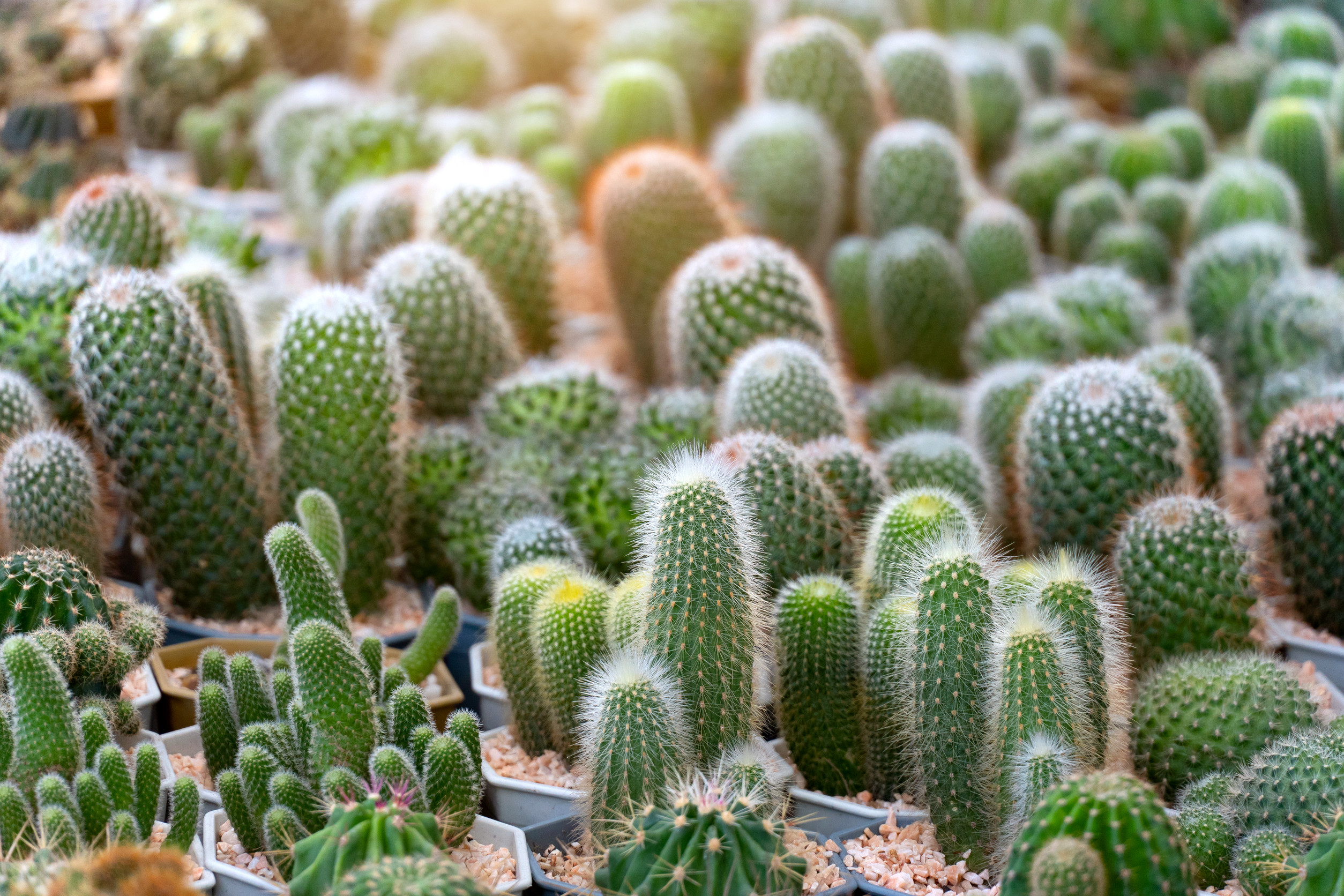
Succulents How to Water and Grow Them Well
Succulents – Nature’s Wonders That Are Easy to Grow
Succulent plants, including succulents and cacti, are true gems of nature, capable of transforming every corner of your home or garden into an oasis of beauty and harmony. Perfect both in pots—ideal for decorating indoor and outdoor spaces—and in garden beds for creating striking compositions, succulent plants add an exotic and refined touch to any environment. They not only captivate with their charm, but also help improve air quality and bring a sense of peace and serenity, making living spaces healthier and more relaxing.
Highly resistant and extremely easy to grow, succulents are the perfect choice even for those without a green thumb or little time for plant care. In this article, our expert will guide you through all the secrets of succulents care, fertilization, maintenance, and succulents planting, helping you keep these wonderful plants healthy and thriving.
Succulents: Etymology and Botanical Meaning
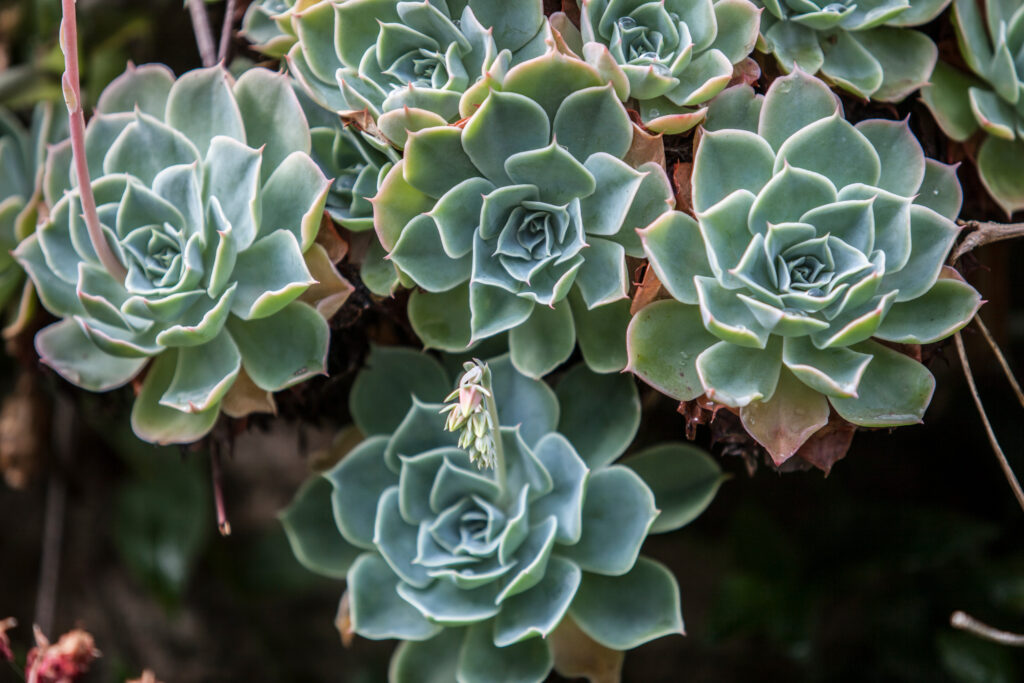
The term succulents comes from the Latin word sucus, meaning “juice” or “sap,” and refers to the remarkable ability of these succulent plants to store water within their leaves, stems, or roots. This adaptation allows them to survive in arid and semi-desert environments, where rainfall is scarce and evaporation is intense. Over time, the word “succulents” has become the internationally recognized scientific term used to describe a wide range of water-storing species, including well-known cacti and cactus plants, as well as many other botanical families such as Crassulaceae (Echeveria, Sedum), Agavaceae (Agave), Asphodelaceae (Aloe, Haworthia), and Euphorbiaceae (Euphorbia).
Because the scientific definition is based on physiology rather than taxonomy, succulents encompass numerous shapes, growth habits, and types of cactus, each adapted to extreme climates through specialized tissues capable of retaining moisture. This etymological and botanical perspective helps us understand why these extraordinary plants are admired worldwide for their resilience and unique beauty.
Which Succulent Plants Are Suitable for Outdoors?
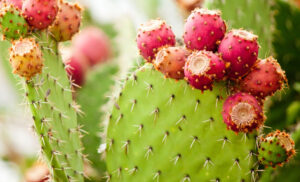
Outdoor succulent plants are an excellent choice for gardens and terraces thanks to their drought resistance and minimal maintenance. Among the most common varieties are:
-
Agave, with its striking fleshy, pointed leaves
-
Sedum, forming green or flowering mats
-
Echeveria, with its decorative rosettes
-
Cactus plants, such as Opuntia (prickly pear)
-
Aloe, valued for both its aesthetics and beneficial gel
Other hardy succulents perfect for outdoor spaces include Sempervivum, Delosperma—both cold-resistant—and Euphorbia, known for its unique shapes and colors. These plants require little water and adapt well to different climates.
Flowering Succulents for Balconies
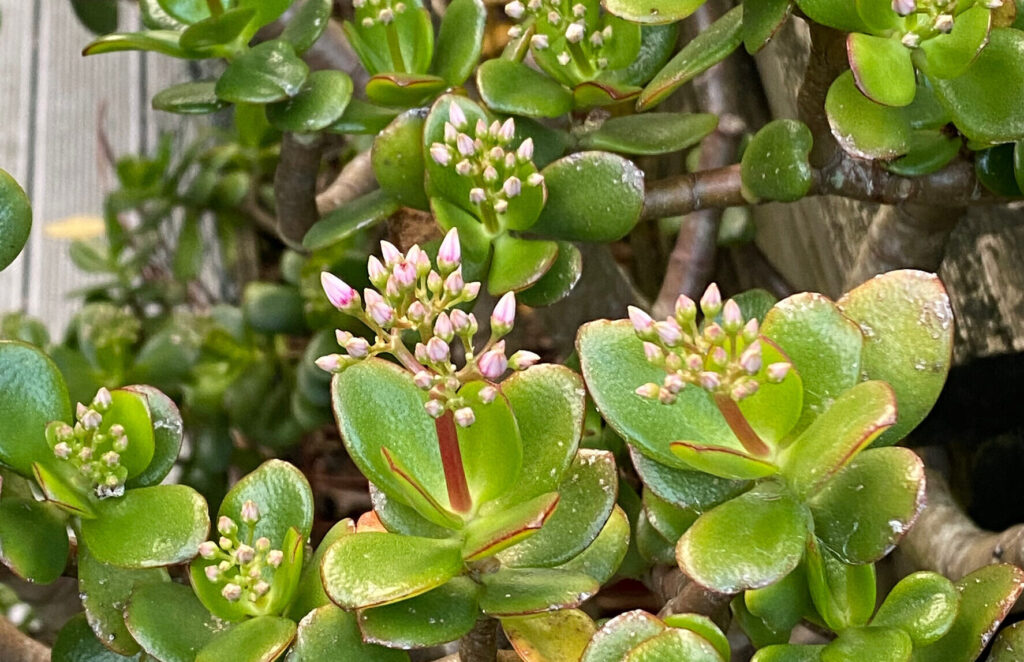
Flowering succulents are ideal for brightening balconies thanks to their vivid blooms and resilience. Alongside the most common potted or outdoor species, there are also trailing and ground-cover succulent plants perfect for creating colorful, original spaces.
Popular varieties include:
-
Lampranthus, known for its intense, vibrant flowers
-
Crassula ovata (jade plant), with delicate decorative blooms
-
Ceropegia, featuring elegant trailing stems and uniquely shaped flowers
These plants require minimal succulents care and thrive in sunny exposures, offering long-lasting displays throughout the warm season.
Which Succulents Are Suitable for Indoors?
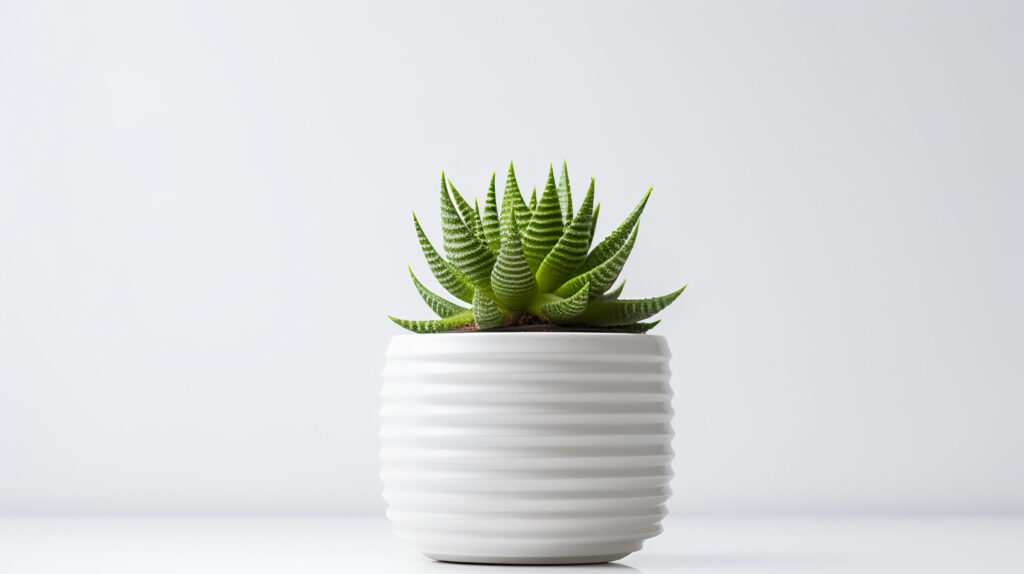
Indoor succulent plants combine beauty and practicality, perfect for anyone wanting greenery without complex maintenance. Some species offer charming blooms, adding color and vibrancy to interior spaces.
Among the most appreciated indoor cactus plants and succulents:
-
Christmas Cactus, which blooms spectacularly in winter
-
Sansevieria, famous for its tall, elegant leaves and air-purifying qualities
-
Haworthia, compact and hardy, with striped fleshy leaves
-
Desert Rose, with sculptural form and stunning flowers
-
Aloe, both ornamental and beneficial
Choosing the right indoor succulents allows you to decorate with lasting green accents, creating a warm and natural atmosphere all year round.
Rare and Unique Succulent Plants

Rare succulent plants are natural masterpieces, prized for their uniqueness and ornamental value. Among the most sought-after species are:
-
Escobaria minima
-
Astrophytum asterias
-
Ariocarpus
-
Euphorbia ambovombensis
-
Mammillaria pectinifera
Some species thrive in extreme environments—for example, Discocactus grows among rocks in harsh conditions. One of the rarest and most fascinating examples is Aztekium hintonii, a slow-growing plant that remains under 10 cm tall.
Another marvel is Aloe polyphylla, considered one of the rarest aloe species in the world and currently endangered.
Growing rare succulents means enriching your collection with extraordinary pieces that add character and intrigue to any space.
How to Care for Succulents
Growing succulents is incredibly simple, making them ideal for both expert gardeners and beginners. They require few but essential attentions: proper light, temperature, humidity control, and adequate space. With the right succulents care, you will be rewarded with healthy plants, unique shapes, and even beautiful blooms.
This complete guide will help you ensure your succulent plants thrive, turning your home or garden into a small natural paradise.
What Pots Should You Use for Succulents?
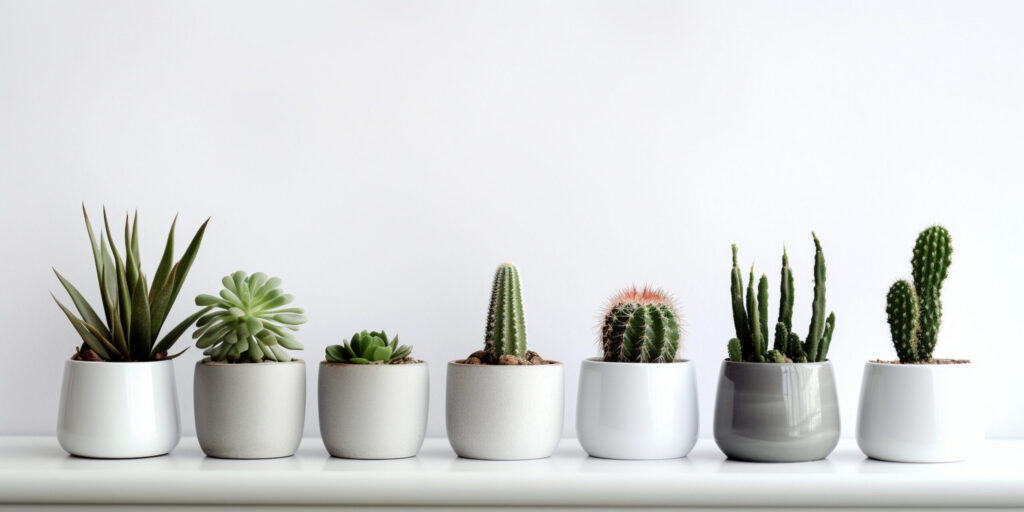
Choosing the right pot is essential for healthy succulents planting. The best containers are terracotta pots, porous and excellent for preventing excess moisture, and pots in ceramic or plastic, as long as they have drainage holes.
Always avoid water accumulation in saucers to prevent root rot. Succulents also look wonderful in creative compositions such as terrariums, provided drainage and light are adequate.
Where to Position Your Succulents
Most succulent plants come from warm, arid, or semi-desert regions, where they receive constant direct sunlight. Indoors, place them near bright, sunny windows. Outdoors, choose sunny, ventilated spots with well-draining soil.
Ideal temperatures range between 23–27 °C, although many succulents tolerate minimums of 5–7 °C if the substrate is dry.
How to Protect Succulents in Winter
Succulents and cacti are sensitive to cold when combined with humidity. Indoors, cold drafts can cause tissues to yellow, darken, and dry out. Outdoors, protect them with breathable covers or move potted succulent plants to sheltered areas. Avoid soil moisture and ensure excellent drainage.
How Often Should You Water Succulents?

There are no fixed rules because each species has different needs. The key is to observe the plant and substrate. Water only when the soil is nearly dry. Shallow pots dry out quickly and may require more frequent watering. If you grow succulents in small, shallow pots, you will need to water them more frequently, as the limited amount of soil tends to dry out quickly. Always remember: too little water is better than too much, to avoid the risk of root rot.
How to Water Succulent Plants
Succulent plants, whether they are in the garden, in pots, or inside a terrarium, require few but very precise irrigation practices. For those grown in pots, it is advisable to immerse the container in water for a few minutes, making sure that any excess water drains completely before placing it back into its cachepot. If the plants are placed in a terrarium or other similar decorative arrangements, it is sufficient to distribute 3–4 teaspoons of water onto the substrate every 25–30 days, avoiding direct contact with the stem and leaves. Alternatively, especially when the succulent plants have spines or are located in difficult-to-reach areas (such as small terrariums), a spray bottle can be used to gently mist the water. For succulent plants grown in the garden, it is essential to adapt the watering frequency to climatic conditions: every 15–20 days during summer, while almost suspending irrigation entirely in winter.
Remember that these plants are sensitive both to excess moisture and to prolonged lack of water. Therefore, it is always preferable to water them sparingly, but with care and precision.
When to Water Succulent Plants
Succulent plants are sensitive to both excessive and insufficient watering; therefore, it is essential to adjust irrigation according to the season and the amount of sunlight they receive. In winter, it is best to keep them indoors, in a bright environment, watering them every 20–25 days. In summer, instead, move the pots outdoors—onto a terrace or into the garden—and water approximately every 10 days. If you cannot move them outside during the hotter months, maintain the same winter watering frequency. For outdoor succulents grown in the garden, it is important to adapt irrigation to weather conditions, increasing frequency slightly during extended periods of drought. Always ensure that water does not accumulate in the saucer, especially if using a highly draining soil: empty it regularly to avoid standing water, which could cause root rot.
What Are the Main Pests of Succulent Plants?
Succulent plants are highly appreciated in homes and offices for their distinctive shapes, unique colors, and ease of care, but they do not always thrive without issues. In addition to common mistakes such as overwatering or improper exposure, succulents can be affected by several pests. Among their main enemies are mealybugs, aphids, and red spider mites, all of which feed on plant sap, weakening the plant. Furthermore, noctuid larvae may also invade, damaging roots and stems. These attacks, combined with unfavorable conditions, can lead to wilting, root rot, grey mold, and sooty mold, severely compromising the plant’s health. To prevent and counter these issues, resistance inducers can be very useful—alternative solutions to traditional plant protection products that strengthen the natural defenses of plants without harming the environment.
Fertilizing Succulent Plants: When Should You Fertilize?
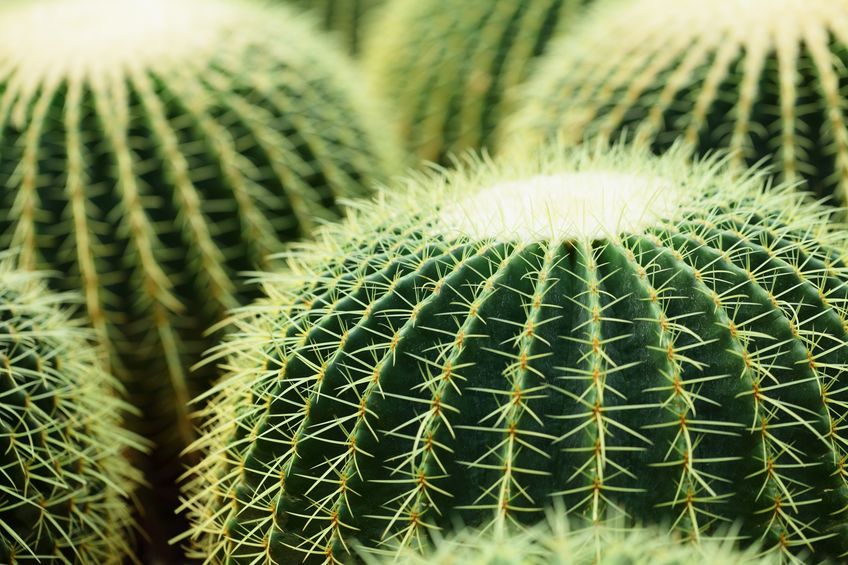
Succulent plants should be fertilized regularly by supplying the right amount of nutrients. In particular, they need to be fertilized during their growing season, starting in March. Fertilization should be suspended in autumn and winter, as the plants enter a dormant period during which growth stops and their root system no longer absorbs water. However, it is important to use specific fertilizers rather than general ones, formulas that are specially balanced for succulent plants. In other words, for cacti, you cannot use a fertilizer typically intended for ornamental plants. A proper fertilization program helps succulent plants stay healthy, promoting abundant flowering and balanced growth while avoiding excesses that could weaken them.
Fertilizing Without Excess or Deficiency: Follow the Advice of Doctor Bioges
For succulent plants, it is advisable to choose an NPK fertilizer with a low nitrogen content and a higher proportion of phosphorus and potassium. Opting for a highly nitrogen-rich fertilizer could cause serious damage. In particular, the plants would grow rapidly and appear swollen, almost “pumped up,” with a bright green color, while the spines would become shorter and thinner. As a result, plants fertilized in this way would take on an unnatural appearance, far from the way they naturally grow in their native habitats. Conversely, if the plants show yellowing tissues and the flowers appear dull, they are likely experiencing a magnesium deficiency. Magnesium is a fundamental element, as it activates the processes involved in chlorophyll production. Ultimately, due to incorrect fertilization, these plants will appear weaker and more susceptible to attacks by pests or bacteria.
Which Fertilizer Should You Use for Succulent Plants?
 With spring approaching, it is very important to choose the right fertilizer and resume nutrient applications. Doctor Bioges recommends Nutri Cactacee, a water-soluble fertilizer ideal for all succulent plants. It is a product with a low nitrogen content, a nutrient that, if supplied in high concentrations, could cause serious damage to the plant—such as excessive growth of the aerial part at the expense of the roots, and greater susceptibility to fungal or aphid attacks. On the other hand, this fertilizer stands out for its higher levels of phosphorus and potassium. These nutrients are essential because they support the plant during flowering and fruit development, improving their color and consistency. Nutri Cactacee also contains magnesium, the main component of the chlorophyll molecule. Thanks to this important nutrient, chlorosis can also be prevented. Magnesium also plays a role in the transport of phosphorus and minerals that contribute to the formation of flowers and fruits. Furthermore, the product contains Ryzea, a pool of bioactive molecules derived from algae that enhance nutrient absorption.
In conclusion…
Succulent plants are true masterpieces of nature: fascinating, resilient, and incredibly versatile, they are the ideal solution for anyone who wishes to add a touch of greenery to their home or garden with minimal effort. Thanks to their extraordinary adaptability, these wonderful succulents provide beauty and serenity in every season, offering surprising blooms and exotic atmospheres even in the smallest spaces. With just a few targeted attentions—from choosing the right pot to proper exposure, from controlled irrigation to balanced fertilization—succulent plants can thrive for a long time, maintaining their natural elegance and resisting pests and diseases. Whether you are an experienced enthusiast or a beginner taking your first steps, caring for succulent plants will be a rewarding and rejuvenating experience, capable of transforming any environment into a unique and captivating green corner. Rely on the right advice and let these small wonders accompany you, season after season, with their extraordinary simplicity and timeless beauty.
Are you passionate about growing succulents? Need help? Send an email to info@bioges.it

Recent Comments