
Yucca: an unbreakable plant (if you know these secrets)
Yucca that can withstand anything (even your mistakes!)
How to take care for a yucca plant
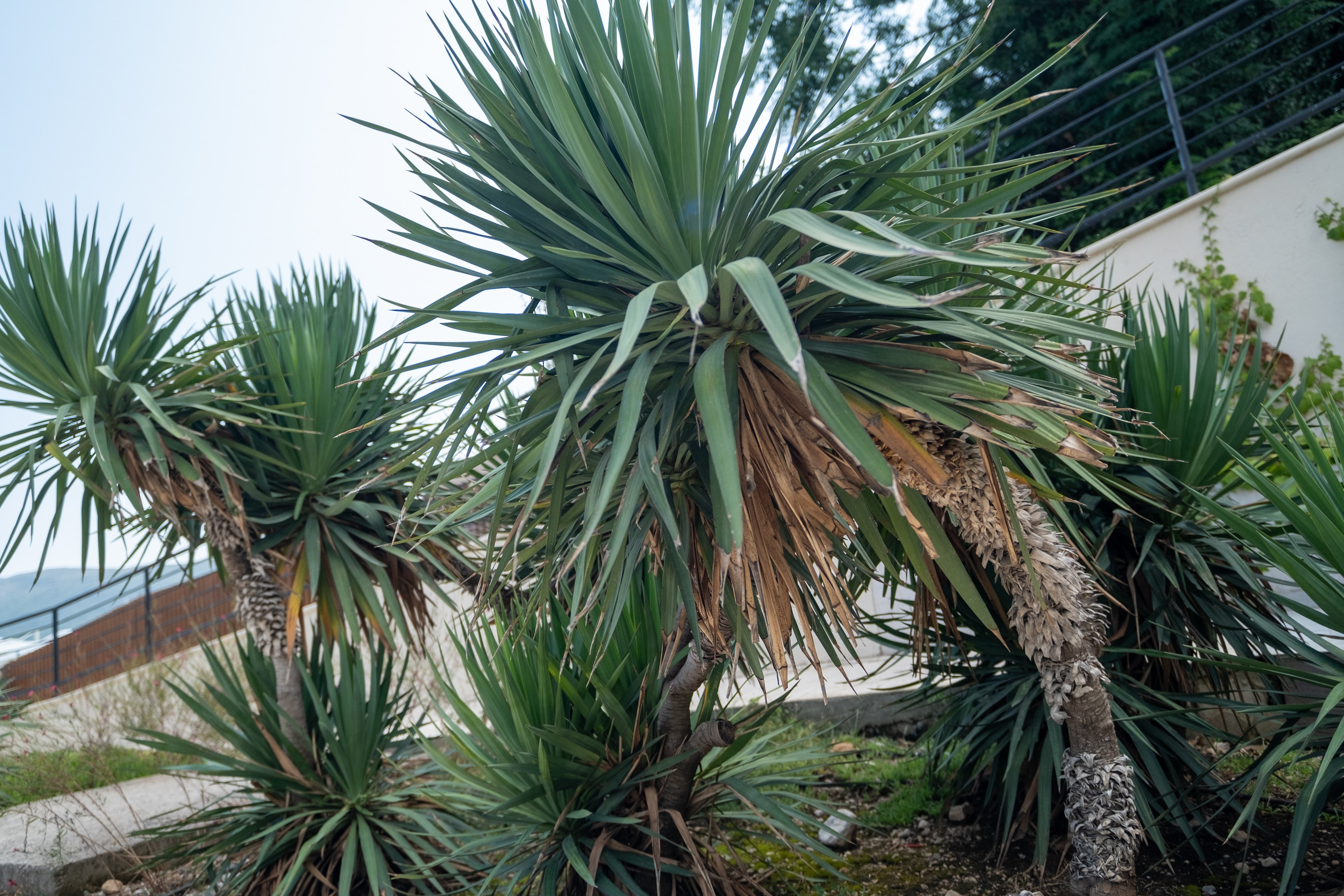
Yucca is certainly one of the first plants that comes to mind when we think of something capable of combining sculptural elegance with extraordinary toughness. With its proud stance, sword-shaped leaves that look as if they were drawn by an architect, and its innate ability to survive where other plants would give up, this star of the American deserts has conquered balconies, gardens, and living rooms all over the world.
It’s not just about looks, because growing a yucca means connecting with a life form that has learned, over thousands of years, how to do a lot with very little.
From the desert to your windowsill: the story of legendary adaptability
The roots of yucca quite literally lie in the arid lands of the American continent, among sun-scorched deserts, windy prairies, and rocky plateaus where rain is a rare event. In these extreme environments, the plant has developed refined survival strategies: leathery leaves that limit water loss, deep roots that explore the soil in search of hidden moisture, and slow growth that optimizes every available resource.
Understanding this origin is not just a botanical curiosity for enthusiasts, but the key to growing yucca successfully. When we water too frequently or choose an overly rich potting mix, we are contradicting millennia of evolution. The plant doesn’t know what to do with such generosity and reacts poorly: roots rot, the trunk weakens, and leaves lose their firmness. Growing well means imitating nature, not forcing it.
Yucca varieties you should know before choosing
There isn’t just one kind of yucca, but an entire universe of species, each with its own characteristics. Yucca elephantipes, the one you’ve probably seen in furniture stores and garden centers, dominates the indoor plant market thanks to its smooth, almost sculptural trunk and less aggressive leaves compared to other varieties. It’s perfect for apartment living and for those who want a green presence without constant attention.
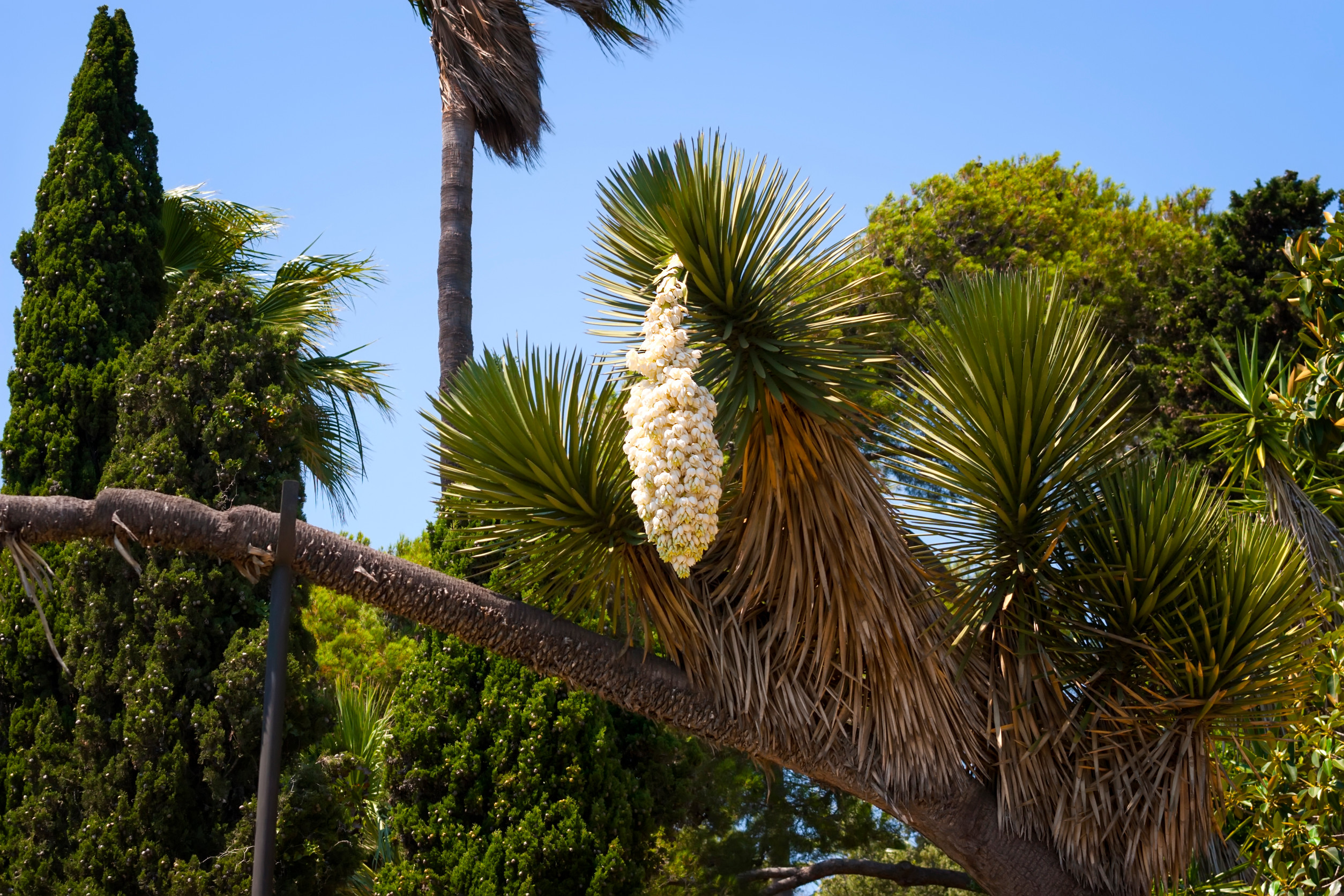
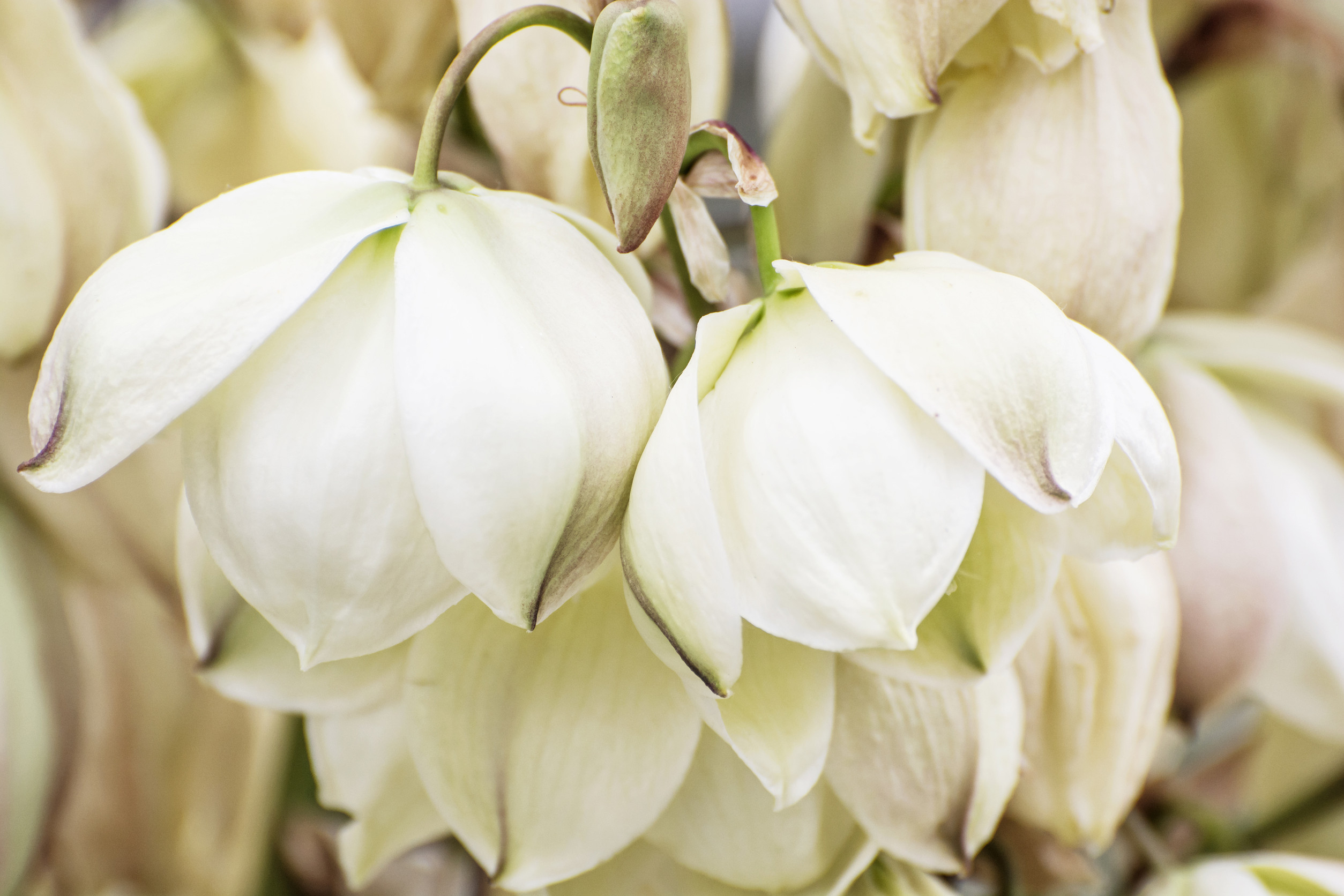
If you have a garden and dream of spectacular blooms, look instead at Yucca filamentosa or Yucca gloriosa. These outdoor varieties tolerate winter cold much better than their tropical relatives and, when conditions are right, produce flower spikes over one meter tall, filled with creamy bell-shaped blooms that resemble candles lit on a summer night. Each yucca has its own personality, but they all share the same basic needs: sun, drainage, and moderation.
Indoor or outdoor? Choosing the right home for your yucca
The most important decision you’ll make is where to place your yucca. An indoor yucca and a garden yucca may belong to the same family, but they live in completely different worlds. Indoors, the plant adapts to stable temperatures, light filtered through glass, and controlled humidity. Growth is slower, the plant stays compact, and it becomes part of the interior design.
Outdoors, yucca can express its wild nature. It faces wind, rain, temperature swings, and hours of direct sunlight. It can reach impressive sizes and produce blooms that remain a dream indoors. But simply putting it outside isn’t enough. The soil must be flawless, drainage perfect, and exposure carefully chosen. A poorly grown garden yucca can suffer just as much as one forgotten in a dark corner of the house.
Light: the invisible nutrient that makes the difference
If there were one decisive factor for success, it would be light. Yucca is a child of full sun, born in landscapes where shade is a rare luxury. Indoors, this translates into one simple rule: give it the brightest window you have, ideally facing south or west.
When light is insufficient, the plant makes it clear. The trunk stretches unnaturally toward the light source, leaves become thinner, paler, and less robust. The compact, harmonious shape is lost, replaced by an unbalanced silhouette. This isn’t just an aesthetic issue, it’s a sign of stress.
Outdoors, yucca tolerates full sun even during the hottest hours. However, if you’ve just bought a plant grown in a greenhouse, allow a couple of weeks for gradual acclimation. A sudden move from shade to intense sun can scorch the leaves, leaving marks that take months to fade.
Temperature and climate: how cold can yucca really handle?
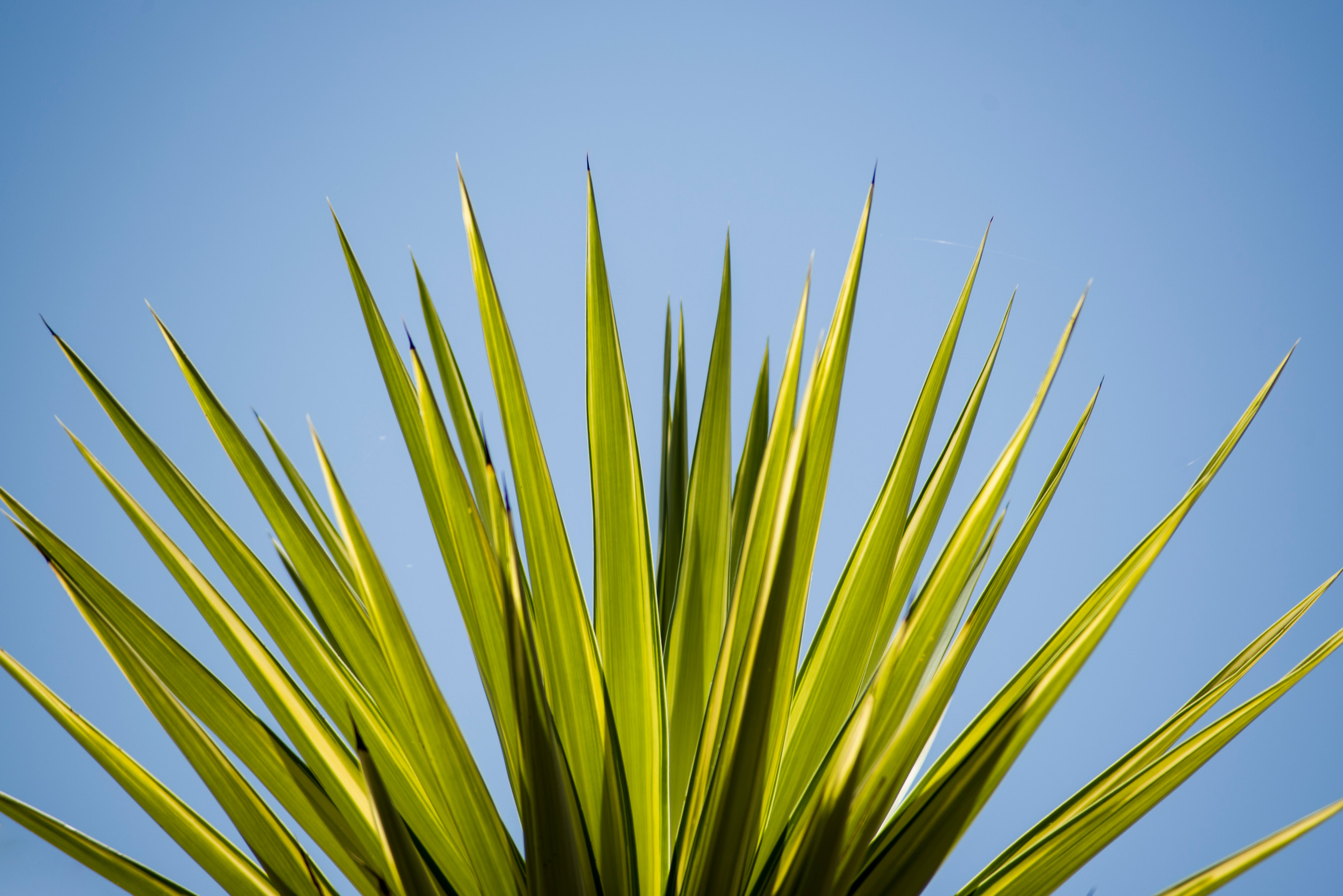
The ideal temperature range for most yucca varieties is between 18 and 28°c (65–82°f), but many species are surprisingly tolerant of extremes. Indoors, summer heat is rarely a problem, while cold drafts in winter can cause stress. Avoid placing yucca near frequently opened doors or under air-conditioning units.
Garden varieties, especially Yucca filamentosa, can survive even heavy frosts, provided the soil isn’t waterlogged. The real enemy of yucca isn’t cold itself, but cold combined with moisture. Frozen roots in soggy soil rot quickly. That’s why, in rainy winter climates, it’s worth investing time in raised beds or improving drainage with gravel and sand.
The perfect soil: building the foundations for success
Talking about soil for yucca means talking about drainage—again and again. A heavy, water-retentive substrate is a recipe for disaster. In waterlogged roots, fungi thrive, tissues break down, and the plant can collapse within weeks.
For container growing, the ideal mix starts with a high-quality universal potting soil, lightened with coarse sand or perlite at least one-third by volume. Experienced growers often add pumice or volcanic gravel to ensure excellent aeration and stability. Pots must have generous drainage holes, ideally with a layer of expanded clay at the bottom.
In the garden, clay soils pose a challenge. Digging a hole and filling it with new soil isn’t enough—water will still collect. It’s better to work a wider area, loosening the soil deeply and incorporating sand and gravel, or creating a slight mound. Yucca will reward you with decades of health.
The art of watering: how often should you water a yucca plant
Learning how to water yucca correctly is probably the biggest challenge for beginners. We tend to equate watering with care, but with yucca the opposite is often true: restraint is the most loving choice.
In pots, the rule is simple: wait until the soil is completely dry, not just on the surface but deep down. Use your finger or a wooden stick to check. Only when there’s no residual moisture should you water thoroughly, allowing excess water to drain away.
Frequency varies greatly. In summer, with high temperatures and strong light, watering every 10–15 days may be needed. In winter, especially in cool rooms, even once a month can be too much. In the garden, a mature yucca with established roots rarely needs supplemental watering, relying mostly on rainfall. Learning to read the plant’s signals is far more effective than following a rigid schedule.
Targeted nutrition: fertilizing without overdoing it
Despite its reputation as a tough plant, yucca appreciates smart nutritional support, especially when grown in containers where soil nutrients are quickly depleted. A balanced fertilizer for green plants provides nitrogen for foliage, potassium for strength, and micronutrients for overall metabolism.
The best time to fertilize is from spring through summer, during active growth. A frequency of every 4–6 weeks is sufficient in most cases. In autumn, gradually reduce applications and stop completely in winter, when yucca enters a period of relative rest.
Beware of excess: too much fertilizer can cause salt buildup in the substrate, burning roots and doing more harm than good. Symptoms of over-fertilization include scorched leaf edges, soft and weak growth, and loss of color. Moderation is key. Products like verdeok by bioges, formulated specifically for ornamental green plants, provide readily available nutrients while helping maintain a healthy, structured growing medium.
Warning signs: recognizing deficiencies and imbalances
A yucca suffering from nutrient deficiencies sends clear signals. Older leaves at the base turn yellow before new ones—classic nitrogen deficiency. The plant reallocates nutrients from less vital parts to support growth.
If growth is slow and leaves remain small and weak despite proper light and watering, potassium or micronutrients may be lacking. Targeted supplementation usually solves the problem within weeks. The key is not to confuse these symptoms with watering or light issues, which look similar but require different solutions.
How to trim a yucca plant
How do you prune a yuccan plant? Maintenance usually involves removing lower leaves that naturally dry out with age. Gently pull them downward; if they’re ready, they’ll come away easily.
Trunk pruning is more delicate and done when the plant becomes too tall or loses shape. Make cuts in spring using sharp, disinfected tools. After a few weeks, new shoots will emerge below the cut, creating a branched crown. This rejuvenates older plants and also allows propagation, as the cut section can root if treated properly.
How to repot a yucca plant
Yucca doesn’t like frequent disturbance. Repotting every 2–3 years for young plants, and even less often for mature ones, is typical. Clear signs include roots emerging from drainage holes, soil drying too quickly, and slowed growth despite good conditions.
Spring is the ideal time. Choose a pot only slightly larger—5–7 cm wider in diameter—with excellent drainage. After repotting, wait at least a week before watering. This dry period allows damaged roots to heal, reducing infection risk.
How often do yuccas flower?
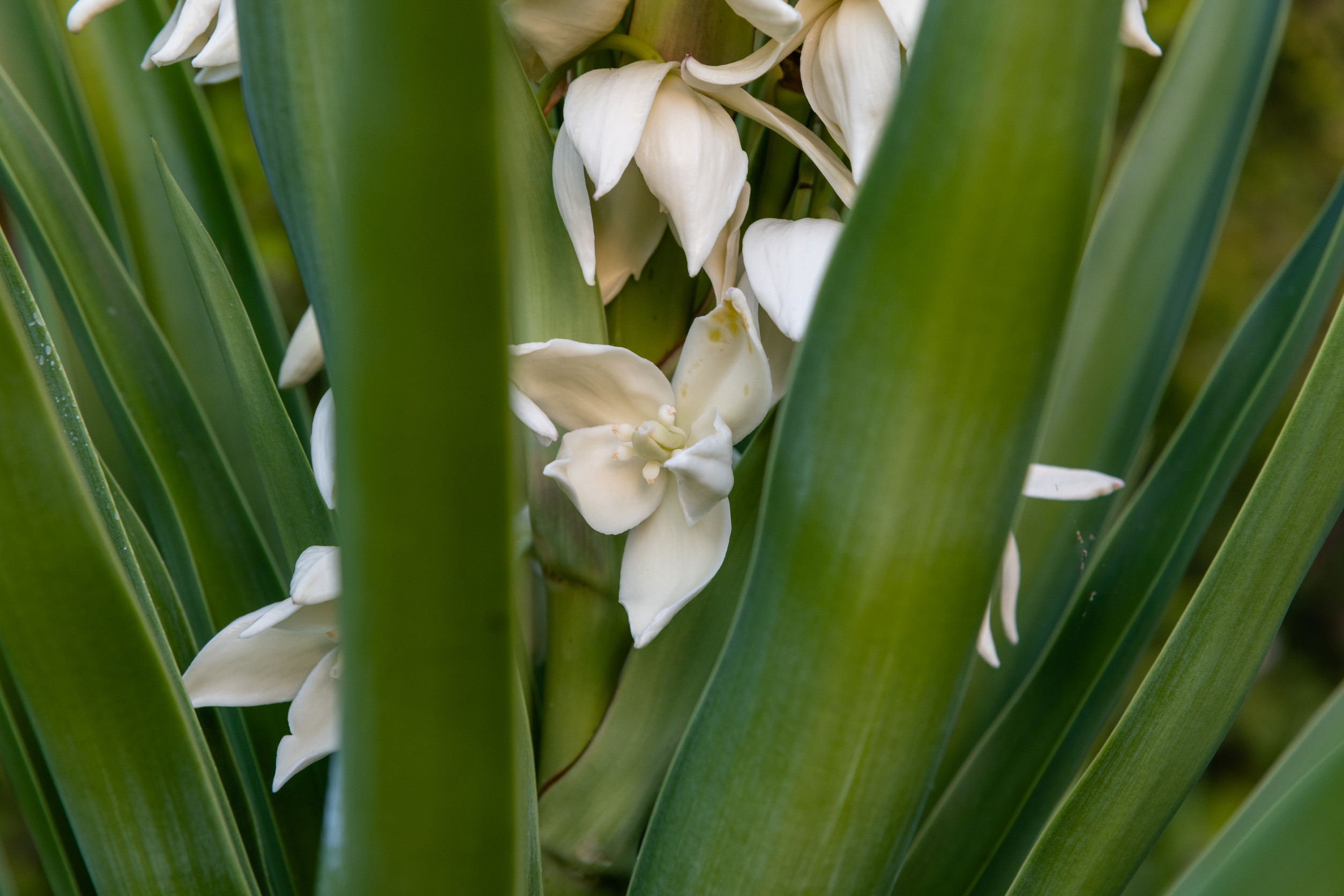
Seeing a yucca in bloom is a reward for years of care. The majestic flower spike often rises taller than the plant itself, carrying dozens of creamy or white bell-shaped flowers. Outdoors, with mature, well-sunlit plants, flowering is relatively common and often annual.
Indoors it’s more challenging. It requires plant age (at least 5–7 years), extremely bright light, a cool winter rest period, and balanced nutrition. It’s not impossible, but it demands patience and near-perfect conditions. Even without flowers, yucca retains an architectural appeal few houseplants can match.
Preventing pests and diseases
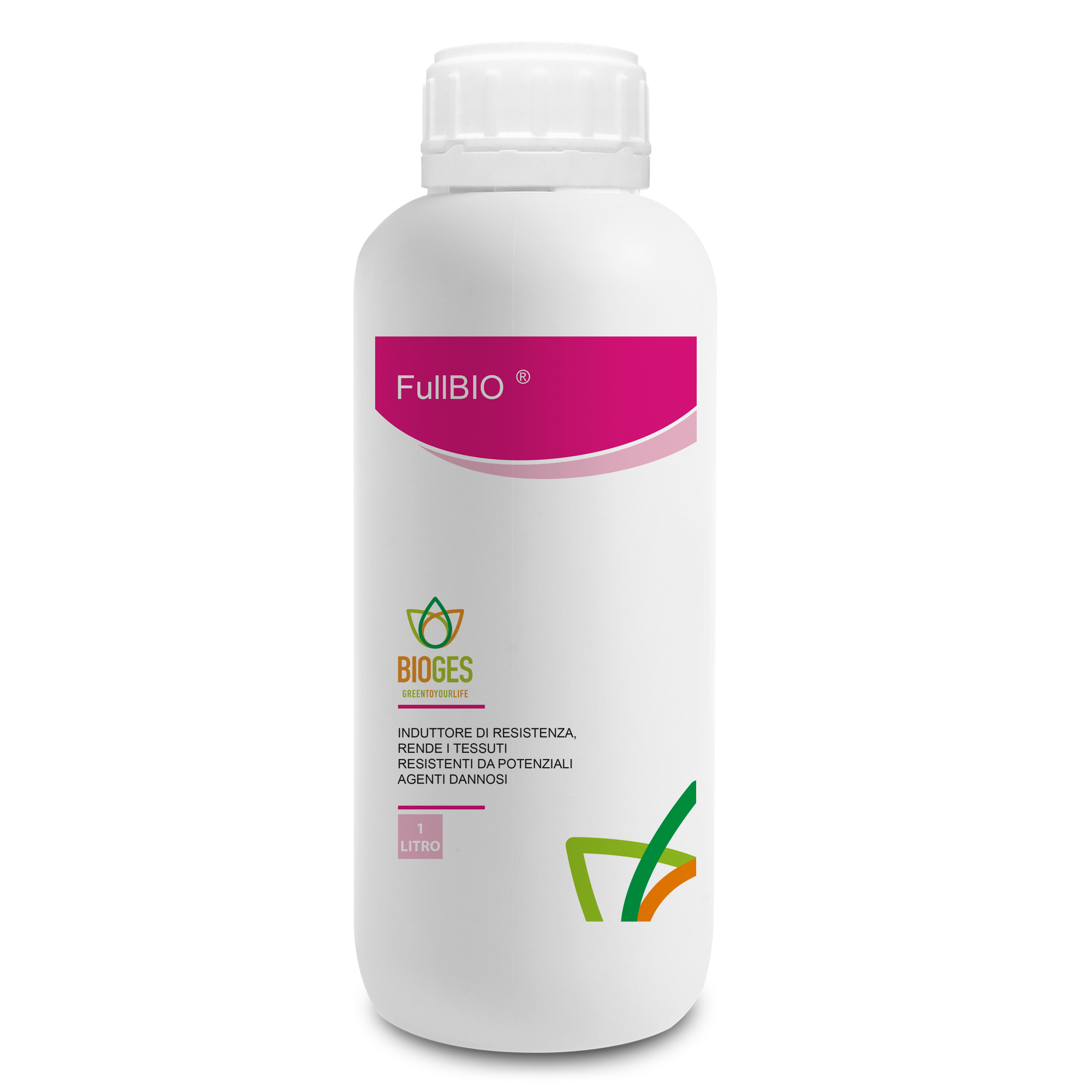
Yucca’s toughness makes it resistant to many issues, but not invincible. Indoors with poor air circulation, scale insects and spider mites may appear, visible as white spots or fine webs. Early intervention is crucial: wiping leaves with a damp cloth and improving airflow often suffices. To discourage pests, FullBio is recommended, thanks to its adhesive formulation that supports the plant’s natural defenses.
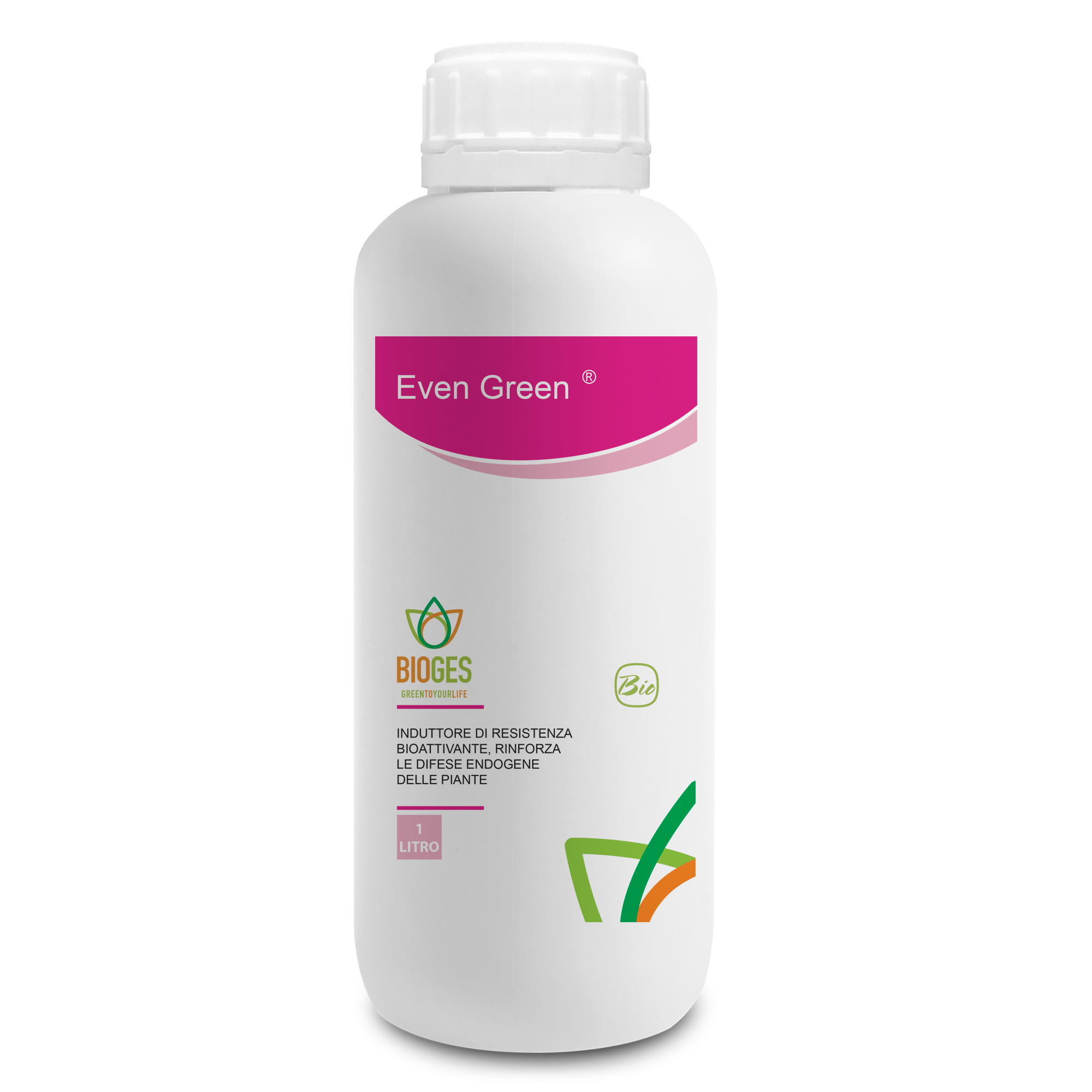
Fungal diseases are rare and almost always caused by waterlogging. Dark leaf spots, crown rot, and blackened roots all signal excess moisture. In such cases, drastically reduce watering and, if necessary, repot into fresh, dry soil. Prevention through proper care is always more effective than treatment. In these situations, Even Green helps strengthen the plant against stress.
Yucca and home wellbeing: beyond aesthetics
Growing plants indoors isn’t just decorative—it improves environmental quality. Yucca, with its broad leaves, participates in gas exchange and helps regulate indoor humidity. It’s not a miracle air purifier, but its contribution to a healthier microclimate is real.
There’s also a psychological dimension. Caring for a yucca, watching its slow but steady growth, learning to read its signals, builds a relationship beyond owning an ornamental object. It’s an exercise in attention, patience, and respect for natural rhythms.
Designing with yucca: ideas for contemporary gardens
Outdoors, yucca becomes a powerful design element. Its architectural form suits modern, minimalist landscapes where contrasts of volume and texture shine. Pair it with ornamental grasses for movement or succulents for a low-maintenance desert garden.
Raised beds with decorative gravel highlight yucca’s sculptural beauty, creating focal points that draw the eye. In larger gardens, grouping multiple plants asymmetrically adds rhythm and depth. Always plan with mature size in mind—yucca can live for decades and grow impressively.
Common mistakes everyone makes (and how to avoid them)
Over-generosity is yucca’s number one enemy. Too much water, overly rich soil, oversized pots—all well-intentioned choices that backfire. Yucca evolved where frugality is a virtue, not a limitation.
Equally common is underestimating the importance of light. A yucca in a dim corner won’t die immediately, but it will slowly decline, losing vigor and form. Then there’s the temptation to improvise with fertilizers: wrong products, excessive doses, poor timing. Using specific fertilizers for green plants and following guidelines eliminates most risks.
Yucca for beginners: the master plant
If you’re new to gardening, yucca is an ideal companion. It forgives occasional mistakes, grows slowly giving you time to learn, and clearly communicates when something’s wrong. It doesn’t require sophisticated tools or advanced botanical knowledge.
Growing yucca teaches observation: leaf color, soil texture, responses to change. It encourages moderation, patience, and respect for natural timing. These lessons apply to all plants, but yucca conveys them especially well thanks to its resilient nature.
Living with yucca: a long-term relationship
Choosing to grow yucca isn’t like buying a seasonal flower—it’s the start of a relationship that can last decades. You’ll see the plant change, grow, and adapt to spaces and seasons. You’ll learn its rhythms, anticipate its needs, and intervene precisely.
This continuity creates a special bond. Yucca becomes a witness to changes in your life, your home, and your gardening skills. Meanwhile, it keeps doing what it does best: existing with dignity and elegance, asking little and offering much.
In conclusion…
In an age dominated by complexity, yucca represents a fascinating paradox: simple needs combined with sophisticated beauty. No climate-controlled greenhouses or exotic substrates are required. Just light, excellent drainage, restrained watering, and balanced nutrition when needed. With these fundamentals, yucca can accompany you for much of your life, evolving from a young plant into a commanding presence. It teaches that true resilience isn’t passive endurance, but the active ability to adapt and thrive—and in that, yucca may have a lot to teach us as well.
If you have any questions or require further information, the Bioges team is always ready to assist you. You can contact us on our social media channels or by sending an email to info@biogesandco.com



Recent Comments