
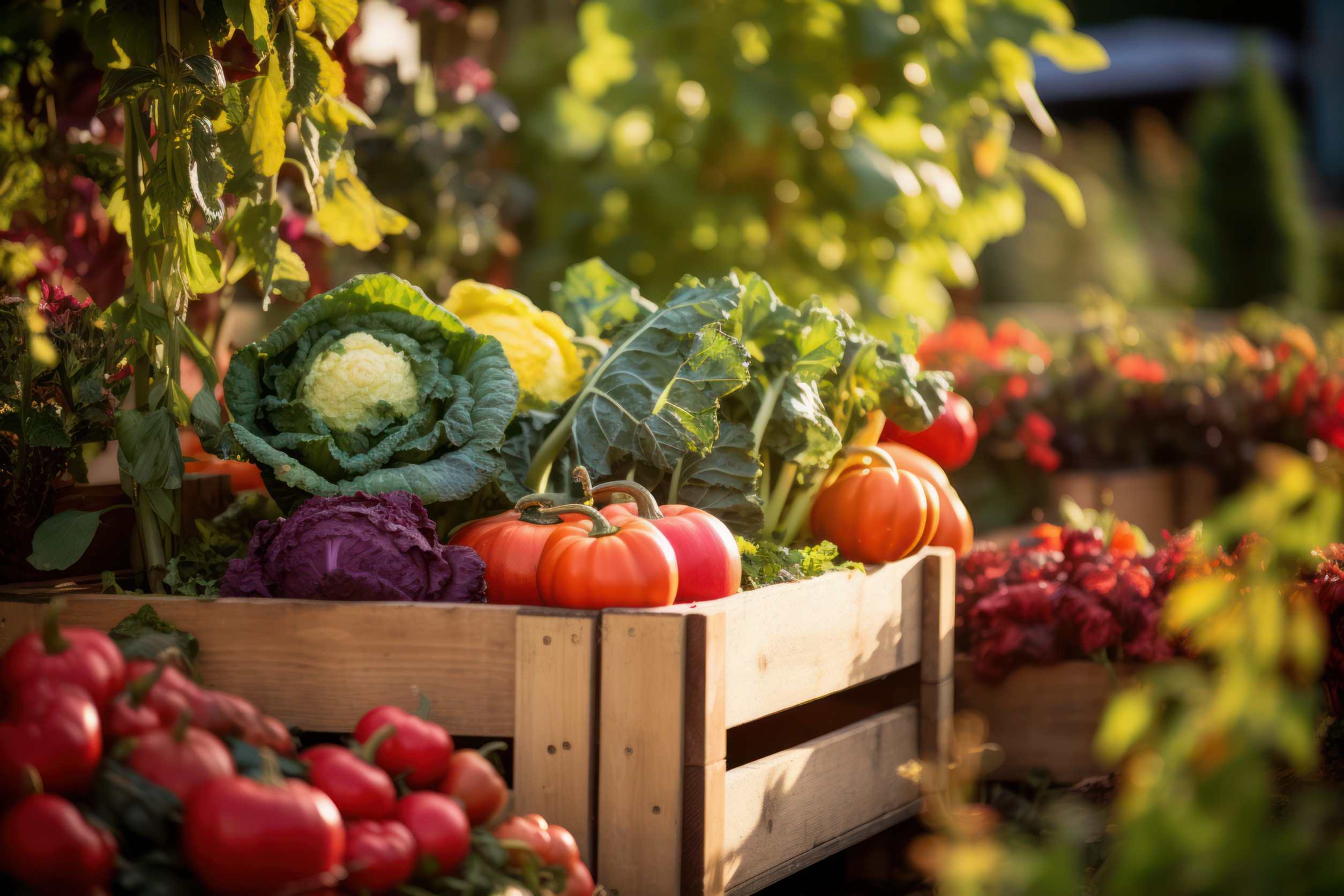
Winter Vegetables – Easy Growing Guide
Winter Vegetables: What to Grow and How to Prepare Your Garden for the Cold Season
Winter vegetables: have you ever considered which one to grow and which gardening activities are most effective during November and December? The winter season, characterised by low temperatures and limited daylight, requires careful planning to protect crops from sudden frost. The main tasks in the garden during these months focus on safeguarding plants from harsh weather and preparing the soil for the upcoming spring.
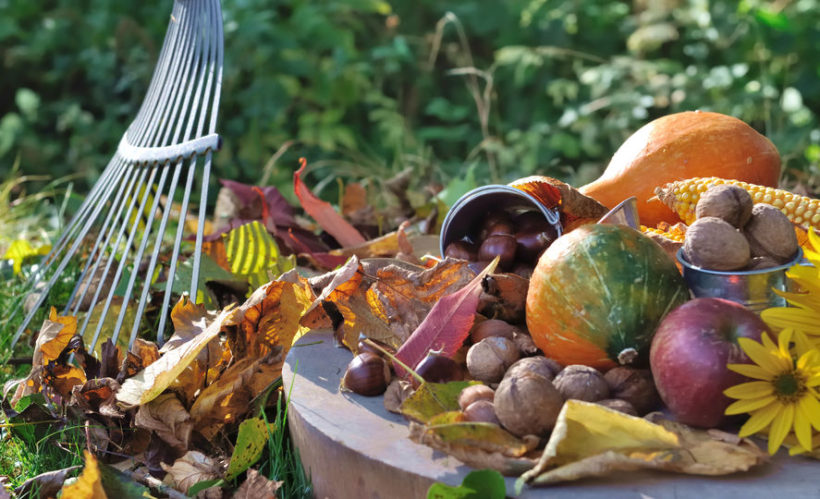
Creating and maintaining a vegetable garden always requires continuous commitment, yet it can be greatly rewarding—especially when supported by good seasonal planning and proper fertilisation. During November, you can plant several cold-tolerant winter vegetables such as garlic, onions, spinach, and cabbages. It is also an ideal period to harvest carrots, leeks, and broccoli. December, instead, is the right moment to protect established crops with covers or frost-proof fabric.
Let us now explore in detail how to grow winter vegetables, and which crops can be sown or harvested during the colder autumn and winter months. By preparing the soil properly and choosing the right winter-hardy crops, you can secure a healthy harvest even during the coldest time of year.
Which Vegetables Grow Best in Autumn and Winter?
When cultivating a garden through the cold season, winter vegetables are indispensable for preparing warming soups and healthy meals. Fennel and leeks are staples of the winter plot thanks to their frost tolerance. Legumes are also excellent candidates for your cold-season sowings, providing valuable plant-based proteins. Among autumn crops, alongside the iconic pumpkin, you can also grow celery, turnips, and beetroot.
Choosing and Growing Winter Vegetables
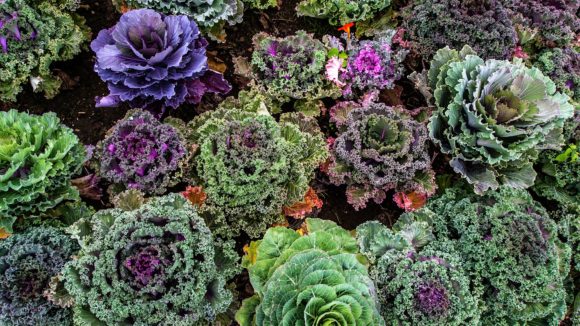
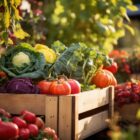
Various types of cabbages
When planning a winter garden, it is essential to know which winter vegetables to sow in November and December. Some of the most cold-resistant crops include lamb’s lettuce, onions, different cabbages (Tuscan kale, savoy cabbage, Brussels sprouts), radicchio, and chicory. The November harvest may also feature spinach, parsley, broccoli, Swiss chard, and corn salad—a leafy winter vegetable appreciated for fresh salads.
November is a strategic month for sowing and planting crops capable of tolerating low temperatures. Suitable winter vegetables include garlic, fava beans, and peas, which will be harvested in spring or early summer. Garlic and onions are especially recommended because they resist cold temperatures and grow well even with minimal daylight. Peas and fava beans, when sown in November, have enough time to sprout and develop slowly through the winter, guaranteeing abundant harvests in the warm season.
Chickpeas, like fava beans and lentils, can be harvested from May to July. Naturally, winter sowing requires careful attention to crop protection. Plants must be shielded from heavy rain, frost, and excessive humidity. You can sow in seed trays, use a greenhouse, or select particularly hardy winter varieties. The best choice depends on your local climate.
Climate Considerations When Planting Winter Vegetables
The choice of which winter vegetables to grow depends heavily on local weather conditions. In regions with harsh winters, protective covers, cloches, or cold frames may be necessary to prevent frost damage. In milder climates, you can sow directly in open ground, provided you apply mulch to keep the soil warm and moist.
Garden Tasks in Winter
Growing vegetables in winter requires thorough preparation of the garden. Although tasks may be fewer, they are essential for ensuring excellent soil structure and high-quality harvests. November is not only a month for organising tools—it is also a key moment to work the soil in preparation for the upcoming year. One essential practice is digging, which has significant agronomic value.
Digging and Garden Organisation
Digging can be carried out in several ways depending on soil type and the crops intended for cultivation. One approach is to dig deeply to break the surface crust and improve soil structure. This helps remove weeds and leftover roots.
As you dig, take the opportunity to plan crop placement and rotation in order to optimise space and maintain soil fertility. In addition to digging, another crucial practice is base fertilisation, which involves adding compost or well-rotted manure to enrich the soil with organic matter. This ensures that winter vegetables and spring crops will have access to essential nutrients.
Benefits of Winter Soil Preparation
Preparing the soil in winter provides several agronomic benefits. Digging and fertilisation allow the soil to regenerate and be ready for spring sowing. Good soil preparation prevents issues such as waterlogging and compaction, both of which can significantly harm plant health.
Dedicating time to preparing the garden in winter is a valuable investment for achieving abundant yields in the following months. Proper soil management, combined with careful planning and balanced fertilisation, creates optimal conditions for cultivating winter vegetables and spring crops alike.
Using Mulch
Alongside digging and fertilisation, mulching is one of the most important techniques in a winter garden. Mulching consists of covering the soil with organic or inorganic materials such as dry leaves, straw, pine bark, compost, or horticultural fleece. This protective layer helps stabilise soil temperature, conserve moisture, and suppress weeds. Organic mulch gradually decomposes, enriching the soil and improving fertility—an essential benefit for winter vegetables.
Winter Irrigation of the Vegetable Garden
Winter irrigation must be managed with care to avoid waterlogging, which may damage plant roots. Although winter is generally wetter, irrigation may still be necessary during prolonged dry spells. Drip irrigation or micro-irrigation systems are ideal, delivering water directly to plant roots while reducing waste. These systems help maintain the correct soil moisture levels essential for healthy winter vegetables. Naturally, each crop has its own needs, so irrigation must be adapted accordingly.
Crop Rotation
Crop rotation consists of alternating plant families in the same soil across seasons or years, preventing nutrient depletion and reducing the risk of pests and soil-borne diseases. For instance, alternating nitrogen-fixing legumes with leafy vegetables creates balanced soil conditions and improves plant health.
How to prevent Winter Pests
Even in the coldest months, some pests can attack winter vegetables. Common winter pests include aphids, slugs, field mice, and certain caterpillars. You can use traps, physical barriers, or specific products to prevent damage. These strategies help maintain crop health and ensure consistent winter production.
Cold Frames and Mini-Greenhouses
Cold frames and mini-greenhouses are practical structures that enhance the growth of winter vegetables. They protect crops from frost, create a warmer microclimate, and extend the growing season. These structures can be built with simple materials like plastic tubing and polyethylene sheets or constructed more permanently with wood and glass. They improve ventilation, temperature control, and humidity management, directly contributing to stronger, healthier winter crops.
Winter Vegetables: How to Fertilise your Garden during the cold season
Autumn and winter fertilisation is crucial for supporting plant growth during the cold season. This practice ensures that plants accumulate the energy reserves needed to withstand winter stresses and grow vigorously in spring.
The primary focus of autumn fertilisation is providing phosphorus and potassium. Phosphorus enhances root development, while potassium strengthens plants against frost, disease, and adverse weather.
Base Fertilisation in Autumn and Winter
Base fertilisation mainly involves applying organic amendments such as compost or well-rotted manure. These fertilisers release nutrients slowly, ensuring a steady supply throughout the winter—essential for maintaining soil fertility and supporting winter vegetables.
Benefits of Base Fertilisation
Base fertilisation improves soil structure, increases nutrient- and water-holding capacity, and stimulates microbial activity. Higher organic matter also protects against erosion and keeps the soil stable during winter rains and frost.
Fertilisation Strategy for the Vegetable Garden
The most effective fertilisation strategy includes balancing different nutrients. While phosphorus and potassium are essential in autumn, a broader nutrient spectrum supports more sustainable plant growth. Organic fertilisers naturally deliver this diversity, making them ideal for gardens rich in winter vegetables.
Day-Horto Organic Fertiliser
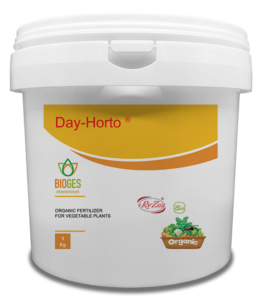
Day-Horto is an organic NPK fertiliser made from natural raw materials. Suitable for vegetable gardens, ornamental plants, and containers, its pellet formulation releases nutrients gradually, improving soil fertility and structure. It is ideal for enhancing the growth and resilience of the main crops cultivated in home gardens.
In Conclusion…
Cultivating winter vegetables in November and December requires attentive planning and specific techniques to ensure plant health and productivity. Planting frost-resistant crops such as garlic, onions, spinach, and cabbages, while harvesting carrots, leeks, and broccoli, keeps the garden active throughout the cold season. Soil preparation is essential to improve fertility and ensure crops receive the nutrients required for robust growth.
Finally, base fertilisation enriches the soil and creates a favourable environment for all winter crops. By adopting these practices, your winter vegetable garden can be productive, rewarding, and perfectly prepared for spring.
If you have any questions or require further information, the Bioges team is always ready to assist you. You can contact us on our social media channels or by sending an email to info@biogesandco.com

Recent Comments