Indoor Plants: simple tricks for stunning results
Indoor plants – tips on how to pamper our plants
Many indoor plants come from tropical and sub-tropical regions. Therefore they require an environment inside the home that is pleasant for them. In fact, in addition to needing oxygen, water and light, they also require the right air humidity and proper fertilisation. Moreover, pests and fungal diseases may also attack them.
In this article you will find all the information and plant care guide tips on how to grow your house plants in a healthy and vigorous way, whether they are popular house plants or other recommended indoor plants grown in domestic environments.
Ornamental indoor plants
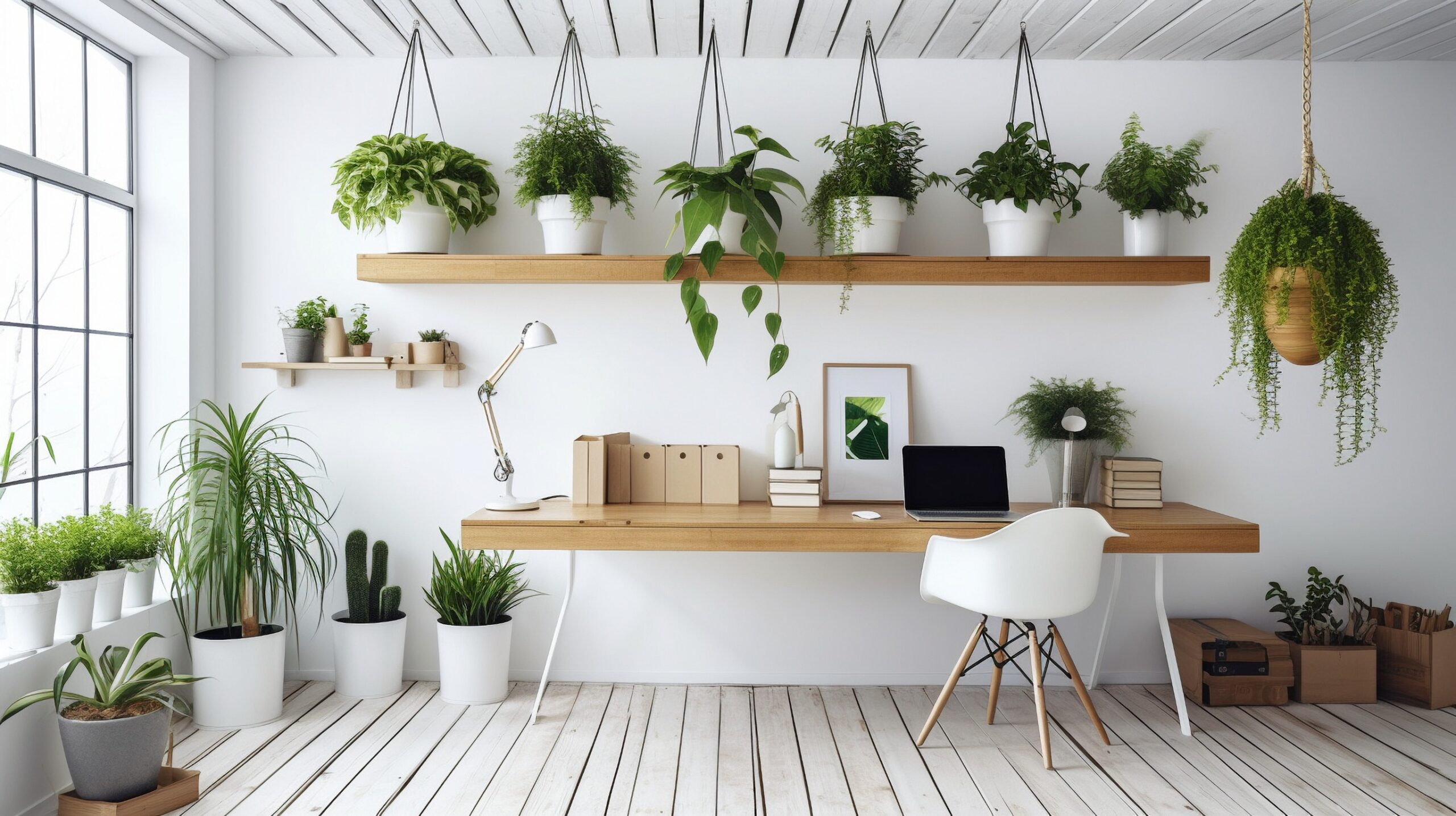
Indoor plants, besides perfectly furnishing our homes, create a very pleasant atmosphere inside our living spaces and are ideal for indoor decorating with plants and decor with plants. However, it is necessary to distinguish between green plants and flowering plants within the wide list of house plants.
Green plants
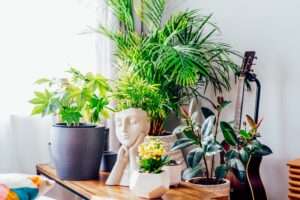
Green plants, such as monstera, yucca, ficus, succulents, cactus and bonsai, adapt perfectly inside our homes and are considered among the best indoor plants and low maintenance indoor plants. Plant development depends on various factors such as location, room temperature and, of course, indoor plant care and proper home plant growing practices.
Flowering plants
Flowering plants offer a touch of colour all year round and are often chosen among the best flowering houseplants and year round flowers for interiors. These include orchids, anthurium, begonia, peace lily and many others, often classified as flowering indoor house plants or blooming indoor house plants. In particular, these plants brighten up days spent at home, especially when it rains or it is cold outside. As with green plants, also flowering house plants must be cared for and fertilised regularly to ensure good growth and well-being, making them ideal home flowering plants and flowering plants that grow indoors.
Plants that purify the air
These are plants that, in addition to regulating humidity and producing oxygen, capture harmful substances such as benzene, cigarette smoke and other pollutants. Among these are ficus benjamina, aloe vera, dracaena marginata and ivy (hedera helix), often considered among the most beneficial indoor plants and most beneficial houseplants.
How to care for indoor plants?
Taking care of plants provides many psychological benefits. They are ideal for those suffering from anxiety, depression or dementia. Thanks to photosynthesis, plants help purify the air in enclosed spaces. These elegant-looking plants are purchased to decorate interiors and improve indoor gardens and indoor garden ideas. However, they grow differently compared to those in nature. In particular, they must adapt to smaller spaces and specific environmental conditions.
For this reason, it is important to choose good house plants that can thrive in these new conditions. Since there are many varieties of indoor plants, it is difficult to describe the specific needs of each one. Therefore, this article provides general guidelines that should be adapted depending on the type of plant, making it useful for gardening for beginners, gardening for starters, and gardening for newbies.
Plant placement – what is the right one?
Light is an essential element for photosynthesis. It is particularly important because only thanks to it can the plant perform its vital functions. Therefore, the placement of plants is fundamental, and each plant has its preferred location. Not all plants like the same exposure. For example, monstera deliciosa, yucca, Spathiphyllum, schefflera and zamioculcas should not be exposed to direct sunlight and are considered easy care indoor plants or low care houseplants.
On the other hand, cactus, some palm species such as the fan palm, ficus lyrata and some flowering plants tolerate brighter exposure and are among the top rated indoor plants. Others prefer shaded locations, such as pothos, spider plant and dracaena, which are also easy to look after indoor plants. Finally, some prefer shade and a humid environment, such as ferns and sansevieria, making them ideal for bathrooms. Additionally, some plants benefit from rain-like irrigation, such as ficus, certain palms and ferns.
How and when to water houseplants?
In terms of watering, each plant species has its own needs. Some plants need moderate watering only when the substrate is dry, such as snake plant, aloe vera, pothos, ficus elastica and lavender, all considered low maintenance house plants and easy indoor plants. Before watering, it is recommended to test the soil with your fingers. Then there are plants like orchids, which generally require soaking the roots in lukewarm water.
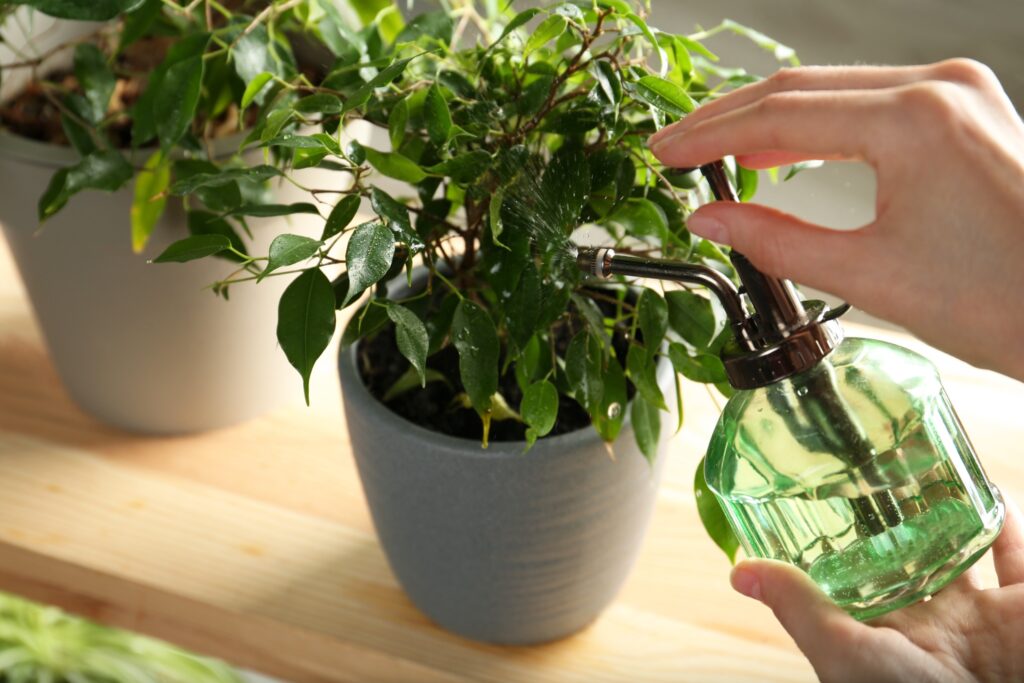
When watering orchids, a specific fertiliser can be added. Some plants prefer rain-like watering, such as ficus, palms and ferns. Watering should be done especially during summer when it is hot, and in winter only if heating is used extensively. Conversely, if plants are kept in cold rooms during winter, watering should be reduced. Avoid water stagnation, which can cause root rot and damage even the best houseplants.
Soil for indoor plants – which is the most suitable?
The growing substrate is of fundamental importance. It stores water and nutrients that are later released to the plant. For indoor plants, many types of soil are available in garden centres, such as those based on compost, bark humus or coconut/wood fibres. However, it is advisable to purchase soil specific to the plant being grown. For example, orchids prefer bark-based substrate, which provides everything needed for healthy growth and proper indoor plant care.
Repotting indoor plants – when is the right time?
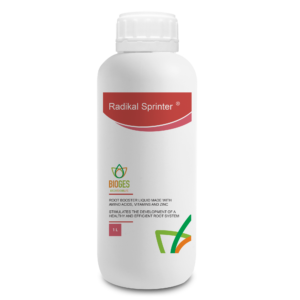
Indoor plants need repotting when the pot becomes too small. In particular, when roots start to come out of the drainage holes at the bottom of the pot. Repotting is also necessary when the soil lacks essential nutrients and plants show signs such as yellowing leaves. Therefore, it is advisable to repot with fresh soil that provides all necessary nutrients. The best time for repotting is spring, every 2–3 years. To avoid transplant stress, it is preferable to use a liquid rooting product such as Radikal Sprinter.
By following these practices, your indoor plants will continue to grow in a healthy and vigorous way.
Pots for house plants
Choosing the right pot is important not only for plant growth and well-being but also for stylish home decoration and indoor decorating with plants. Both online and in garden shops, you can find pots made from different materials, colours and shapes, including indoor plant pots, large indoor planters, ceramic indoor pots, and indoor flower pots. The most commonly used are terracotta or plastic pots. However, Doctor Bioges does not recommend plastic pots, as they do not allow roots to breathe properly.
Fertilising houseplants correctly
House plants periodically need a good fertiliser that provides all essential macro and micronutrients for growth and healthy development. The main macronutrients are nitrogen, which promotes growth and gives leaves an intense green colour; phosphorus, which stimulates flowering; and potassium, which strengthens plant structure and resistance to adverse conditions. Micronutrients such as iron and magnesium help prevent chlorosis and improve plant resistance. Leaves are indicators of plant health and can provide information about deficiencies. Therefore, it is important to observe plants and respond promptly, ensuring proper house plant care and indoor plant guide practices.
Fertiliser for green and flowering plants – which to choose?
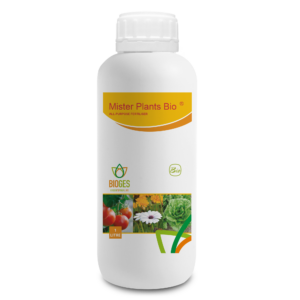
As highlighted, each plant requires these nutrients in different proportions for healthy growth. Fertilisers can be liquid, granular or micro-granular. When choosing a fertiliser, it should meet the plant’s needs. For example, if the plant needs a quick growth boost, a liquid fertiliser such as Mister Plants Bio is ideal, especially for indoor plants. Alternatively, a water-soluble fertiliser like VerdeOk can be used regularly.
Conclusion: how to achieve healthy and thriving houseplants
By following these simple but essential guidelines, it is possible to grow indoor plants in a healthy and vigorous way all year round, turning your home into a green and relaxing space. Proper indoor plant care, correct watering, suitable light exposure and balanced fertilisation are the key factors for success in growing house plants. Whether you choose low maintenance indoor plants, flowering indoor house plants, or some of the best houseplants for decoration, consistency and attention will make the difference. In this way, even beginners can achieve excellent results, improving their living spaces with indoor decorating with plants and enjoying the benefits of nature indoors.
Stay up to date with our latest gardening news!
If you have any questions or require further information, the Bioges team is always ready to assist you. You can contact us on our social media channels or by sending an email to info@biogesandco.com