

Pine bonsai: a complete growing guide
Pine bonsai care, fertilization, cultivation, professional results
 Pine bonsai is one of the most prized species in art bonsai due to its longevity, strength, and aesthetic balance. To achieve professional results, it is essential to adopt a technical and structured approach that respects the physiological needs of the plant at every stage of the vegetative cycle. Proper irrigation and substrate management, and balanced fertilization, directly affects growth, structural stability, and aesthetic quality. Every cultivation intervention must be precisely planned to ensure a healthy and vigorous bonsai. This professional vision of cultivation represents the basis for promoting a balanced growth of bonsai, ready to express their maximum ornamental potential.
Pine bonsai cultivation: the key to long-term success
To obtain a healthy and harmonious pine bonsai, a comprehensive approach is required. Basic fertilization alone is not sufficient. A well-planned pine bonsai fertilization program is essential.
The plant must be supported during times of stress. The most delicate periods are seasonal changes, pruning, and repotting. In addiction, adverse weather conditions can also weaken the bonsai. Resistance inductors are a good support for plants.These products do not act as direct defenses against pathogens. Instead, they stimulate the plant’s natural self-defense mechanisms and enhance internal resistance. When properly integrated into the cultivation plan, they improve the vitality of the pine tree.Their use promotes stable growth, increases stress
Zen Special: organic fertilizer for young conifer bonsai
 During the formation phase, it is important to fertilize pine bonsai with the appropriate fertilizer. Nutrition aids in root development and controlled plant growth. Strong roots ensure a stable structure. Organic matter is essential. Easily assimilable nutrients improve the plant’s efficiency. However, an excess of nitrogen can reduce the compactness of the needles. Zen Special is ideal for forming conifers. Its organic pellet formula ensures a gradual release of nutrients. Constant nourishment improves the vitality of the substrate. The balanced NPK ratio promotes harmonious development. Calcium and magnesium strengthen the structure and resistance of the plant. Year-round use supports vigorous growth. Professional fertilization prepares the bonsai for subsequent processing stages.
Professional liquid fertilizers for stronger bonsai
 Nutritional strategy for pine bonsai must be adapted to specific cultivation objectives. Each stage of cultivation requires specific interventions. When it is necessary to stimulate growth or encourage new shoots, the plant needs more immediate support. In these situations, pellet fertilization can be temporarily suspended and replaced with professional liquid fertilizers from the Pro-Care NPK Bioges line. Formulations such as Pro-Care NPK 3.6.9 and 4.8.16 ensure rapid absorption and a controlled vegetative response. The dosage can be adapted to real physiological needs, avoiding excess and forced growth. Pro-Care NPK products are essential for obtaining vigorous, balanced pine bonsai that are ready for the next stages of formation.
Advanced bonsai fertilizer: more results, less fertilizer
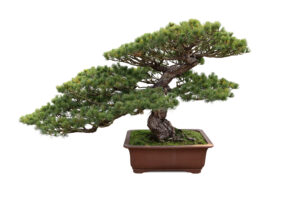 An advanced nutritional strategy allows you to reduce the number of fertilization treatments without compromising the health of the bonsai pine. In fact, a modern feeding program improves the long-term efficiency and performance of plants. Bio activators, such as Bio Complet Plus, significantly boost fertilization results. Furthermore, they act directly on the quality of the substrate and the nutrient absorption capacity. Bio Complet Plus improves soil structure and stimulates root development thanks to the humic acids of leonardite. Consequently, nutrients become more available and easier to absorb. Therefore, fertilizer doses and frequency can be reduced while maintaining stable, controlled vegetative growth. This approach promotes balanced development without forcing the plant. When integrated into bonsai pine fertilization plans, Bio Complet Plus becomes an effective technical solution. Over time, growers will be able to obtain stronger, more resilient pine bonsai with balanced growth. Discover Bio Complet Plus at Biogesandco.com.
Bio Complet Plus in synergy with Zen Special and Pro-Care NPK for bonsai pine
 To maximise the nutritional value of bonsai pine, combine Bio Complet Plus with both organic and liquid fertilization. This improves efficiency and long-term plant performance. Applying Bio Complet Plus with Zen Special activates biological activity in the substrate. As a result, nutrient availability increases and root development is stimulated. This combination promotes healthy growth in bonsai pines, particularly during the development stage. Bio Complet Plus can also be paired with Pro-Care NPK liquid fertilizers. This improves rapid nutrient absorption and feeding accuracy. This allows you to achieve effective results even with lower dosages. This creates a flexible and sustainable fertilization plan. Moreover, it enables you to adapt the nutritional requirements to the actual physiological needs of the plant. Consequently, over time, you will obtain stronger, more balanced and more resistant bonsai pines.
Bio-Slow 3.6.9 for controlled growth in maintenance and refinement stages
 When bonsai pine has a defined structure, it is necessary to adapt the fertilization strategy. At this stage, the focus should be on growth control and tissue quality. The creation of a robust structure becomes supremely important. Compact foliage enhances visual balance. It is no longer necessary to stimulate vigorous vegetative growth. Instead, it is important to support lignification and canopy compactness. Controlled nutrition preserves structural stability. Bio-Slow 3.6.9 is the ideal fertilizer for maintenance of mature bonsai. Its low nitrogen content prevents excessive elongation. High levels of phosphorus and potassium promote wood maturation and vegetative balance. Although it is most effective in autumn, Bio-Slow 3.6.9 can be used year-round on established trees. As a result, you will have a solid, compact bonsai pine ready for detailed refinement work.
Winter preparation program for bonsai pine
 Autumn fertilization is essential for strong and stable bonsai pine during winter. Fertilization during this period is important for species in the formation phase and those that are fully grown. In autumn, bonsai pines slow down their vegetative growth. At the same time, they direct energy towards strengthening tissue and storing nutrients. For this reason, choose a slow-release fertiliser such as Bio-Slow 3.6.9. Its formula ensures a gradual release of nutrients and promotes lignification without excess nitrogen. It also improves structural compactness and supports vegetative balance. Consequently, the bonsai pine enters winter in optimal condition. However, adapt the fertilization plan to your cultivation objectives. Young trees that still require development may need a different solution. For this case, select Pro-Care PK 3.6.9 for flexible, targeted nutrition management.
Phosphorus and potassium fertilization for bonsai pine in cold season
 During autumn fertilization, it is necessary to support the bonsai pine with Giovis PK 30.20. This solution provides targeted feeding during the cold season. It is ideal for developing and maintaining bonsai pines. Furthermore, this phosphorus and potassium bioactivator strengthens the plant’s structure and supports its natural physiological processes. As temperatures drop, the bonsai pine actually needs stronger support. Giovis PK 30.20 can be applied as a foliar spray or via fertigation. However, foliar application is recommended for conifers during the autumn period. It stimulates lignification and improves compactness. Consequently, the bonsai pine enters winter with greater strength and structural stability. Support your bonsai pine all year round with advanced professional nutrition.
How to fertilize bonsai pine during spring restart?
Vegetative restart is a delicate and strategic phase for bonsai pine trees. During this period, bonsai pines reactivate metabolic processes and require balanced, progressive fertilization. Therefore, it is necessary to select a targeted fertilization plan. Support pine bonsai growth with Zen Special, an organic fertilizer for balanced development. This solution promotes development and balance. For best results, combine Zen Special with Veg-Up Plus. This bioactivator improves nutrient absorption and increases plant vitality. As a result, your bonsai pine tree will respond more efficiently to fertilization. However, adjust your fertilization strategy according to the plant’s development. When stronger vegetative stimulation is needed, temporarily replace Zen Special with Pro-Care NPK 3.6.9 or 4.8.16. These formulas provide faster results. Always apply Veg-Up Plus through fertigation to maximize efficiency. Consequently, you support balanced growth and strengthen your bonsai pine for the new growing season.
Bonsai in maintenance: balance and precision in spring
After the pine bonsai restarts vegetative growth, it requires a maintenance-focused fertilisation plan. In this phase, it is imperative to exercise meticulous control over growth and preserve structural equilibrium. Avoid excess stimulation and choose consistent nutrition. A well-planned fertilization strategy ensures consistent and controlled maintenance. Use Bio-Slow 3.6.9 to support vegetative stability and tissue maturation in bonsai. This NPK formula improves canopy compactness and strengthens the overall structure. Consequently, the plant sai maintains harmony and controlled growth. Moreover, boost nutrient efficiency by combining Bio-Slow 3.6.9 with Veg-Up Plus. This bioactivator stimulates physiological activity and enhances the plant’s response to refinement work. Consequently, the pine bonsai reacts better to pruning and structural adjustments. Furthermore, using these products together promotes long-term health and aesthetic precision. A precise nutrition programme maintains balance and encourages consistent performance. This helps keep your pine bonsai strong, compact and visually harmonious throughout the growing season.
Boost vitality in your pine bonsai with Veg-Up Plus
 During the maintenance stage, the bonsai pine needs constant physiological support. During this phase, it is important to maintain vegetative balance and protect structural quality. Use Veg-Up Plus to support the plant through periods of intense metabolic activity. Furthermore, provides effective support for the bonsai pine during spring refinement work. The bioactivator contains free amino acids and plant extracts. These elements speed up nutrient absorption. Consequently, fertilization efficiency increases. Furthermore, Veg-Up Plus activates natural physiological processes without forcing growth. This method boosts overall vitality. Combine it with specific bonsai fertilizers to enhance responsiveness and stability. You will also preserve canopy compactness and structural order. Apply Veg-Up Plus via fertigation to ensure uniform distribution. Consequently, performance during maintenance and refinement improves. Over time, you will strengthen resistance and improve aesthetic quality, keeping your pine bonsai healthy and balanced throughout the growing season.
Micro-One: essential micronutrients for healthy and vigorous bonsai tree
 A bonsai pine requires precise nutritional balance. After winter, protect plant health by preventing micronutrient deficiencies. Micro-One supplies essential micronutrients, restarting the plant’s physiological processes for healthier, more vibrant vegetation. Bonsai di pino appears greener and more uniform. Use Micro-One from the end of February to encourage balanced growth. You can use the product on young bonsai pines and on stabilised trees. Therefore, it adapts to different stages of cultivation. In addition, combine Micro-One with Veg-Up Plus to increase nutritional efficiency. This mixture improves nutrient absorption and stimulates a physiological response. Consequently, the bonsai pine becomes more reactive and resistant. Over time, the plant maintains vigour and structural stability. Furthermore, consistent nutrition promotes healthy development and stronger foliage. As a result, you can grow bonsai di pino that are vigorous, resistant and visually refined. This strategy improves overall vitality. It also ensures long-term aesthetic quality.
Furius BZ protects and resists plants against thermal stress.
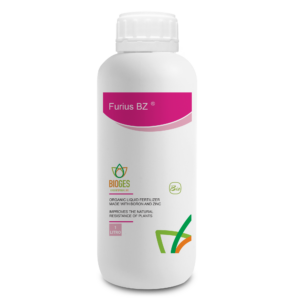 Plants are often subjected to intense thermal stress. During the summer months, high temperatures can disrupt the equilibrium of plants.In winter, sudden frost can damage tissues, which is why it is important to protect them during this season. In addition, climate fluctuations are a cause of disruption to physiological stability. It is therefore advisable to strengthen natural defences at the earliest opportunity. Furius BZ supports plants during these difficult conditions. This resistance inducer activates the plant’s natural defence mechanisms, which are designed to protect the plant against pathogens and other threats. It also improves environmental adaptability and metabolic activity.
Boost plant vitality with boron and zinc nutrition
The formula includes plant extracts and fast-absorbing micronutrients, such as boron and zinc. These elements stimulate key metabolic processes. Consequently, the plants remain active and reactive. Apply the product on young and stabilized plants. This versatility is suited to different cultivation stages. Furthermore, the treatment prepares the bonsai for a vegetative restart. Consequently, the plant develops stronger tissues and better structural stability. Consistent use increases vigour and resistant. Consequently, the plants grow healthier and adapt better to seasonal stress conditions.
Main fungal diseases and the role of resistance inducers

Pine bonsai can develop fungal diseases when subjected to water, heat or nutritional stress. Under these conditions, the plant loses its physiological balance. Consequently, the risk of infection increases. One of the most common problems is root rot. This disease is often caused by waterlogging or poorly drained soil. Additionally, some fungi attack the needles and branches. In these cases, the pine bonsai shows progressive drying and loss of colour. Unfavourable environmental conditions also favour the development of pathogens. However, a preventive strategy can reduce these risks. For this reason, use resistance inducers. These products strengthen the pine bonsai’s natural defences. In addition, they stimulate the plant’s self-defence mechanisms, which help it to protect itself against threats. Consequently, the bonsai reacts better to stress. Over time, the plant maintains vigour, stability and overall health. Therefore, preventive management protects pine bonsai and improves the plant’s physiological balance.
Recognize plant fungal diseases to prevent damage
Pine bonsai can develop fungal diseases when they are exposed to environmental stress. Poor watering and imbalanced nutrition can also increase this risk. Under these conditions, the plant loses physiological balance. As a result, infections become more likely. One common problem is tracheomycosis, a disease that disrupts sap flow and causes a gradual decline. Several fungi can also attack the needles and branches. Pine bonsai may show needle reddening or red bands on the foliage. Another serious disease is resin canker. It creates bark lesions and produces excessive resin. Furthermore, trunk fungi and sun scorch may appear following incorrect exposure or strong temperature fluctuations. However, good prevention can greatly reduce these risks. Maintain balanced nutrition and proper care. A well-managed pine bonsai will develop stronger natural defences. Moreover, resistance inducers help protect the plant. Consequently, the plant will remain healthier, more stable and better protected from fungal infections over time.
Cupram Bio: a natural way to protect your plant from fungal diseases
 Pine bonsai can develop fungal diseases. Therefore, preventive action is essential. Targeted protection keeps the plant healthy and structurally stable. Cupram Bio protects pine bonsai against the most common infections. This formula contains liquid copper of natural origin. Furthermore, it protects the needles, branches and trunk from fungal attacks. As a result, the plant maintains physiological balance and stronger resistance. It is particularly effective during vulnerable times of the year. Ensure optimal protection by applying it during the spring and autumn months. However, you can also use it when weather conditions favour fungal development. Integrate the product into your plant protection programme. This reduces the risk of fungal diseases. Therefore, you can protect bonsai pino without stressing the plant structure. Over time, the plant will remain healthier, stronger and more stable. Consequently, the plant maintains vigour, structural balance and long-term ornamental quality throughout the growing seasons.
Pruning pine bonsai: protection and healing with Propolis
 Pruning a pine bonsai requires precision and care. This operation maintains balance, shape and canopy compactness. However, every cut creates a wound. Consequently, the plant becomes vulnerable to stress and pathogens. Therefore, protect your bonsai immediately after pruning. Use Propolis to support post-pruning recovery. This Bioges solution activates the pine bonsai’s natural defence mechanisms. Moreover, its natural formulation promotes fast tissue healing. As a result, the plant remains healthy and reactive. Propolis also reduces the risk of infections after cutting. It also strengthens the plant’s resistance during delicate maintenance work. Therefore, applying the product regularly improves protection and the physiological response. Consistent use ensures safer and more controlled pruning practices. Consequently, the pine bonsai develops stronger tissues and better structural stability. Over time, the plant maintains its vigour and aesthetic harmony. Therefore, propolis becomes an essential ally for professional pine bonsai care.
Repotting pine bonsai: how to help your plant recover its energy and its roots
 Repotting is a key stage in the cultivation cycle of pine bonsai. During this phase, the plant experiences physiological stress. Therefore, support root recovery carefully. Use specific products to encourage fast root regeneration. Radikal Sprinter stimulates the formation of new roots and accelerates vegetative recovery. It also improves the plant’s ability to recover after repotting. Next, mix Mico-Green into the substrate. This product contains mycorrhizae and beneficial microorganisms. As a result, nutrient absorption increases and soil vitality improves. It also strengthens the biological activity of the substrate. Using these two products together creates an effective cultivation strategy. Pine bonsai develops stronger roots and more stable growth. Over time, the plant maintains balance and vigour. Consequently, pine bonsai restarts growth with new energy after repotting and adapts better to the new substrate conditions.
How to grow a healthy and balanced pine bonsai over time
Growing this plant means respecting its natural growth cycle. Nutritional decisions impact strength, structure, and balance. Therefore, it is important to follow a precise cultivation strategy. Bioges products help you manage each stage of growth effectively. Zen Special supports the formation phase and promotes balanced development. Pro-Care NPK allows you to adjust growth with precision, ensuring optimal results every time. This enables you to adapt the plant’s nutrition to its actual needs. Bio-Slow 3.6.9 maintains vegetative stability and structural compactness. Furthermore, it supports maintenance stages over time. Bioactivators also improve overall nutritional efficiency. Veg-Up Plus stimulates plant vitality and metabolic activity. Bio Complet Plus enhances biological activity within the substrate. Additionally, resistance inducers strengthen the plant’s natural defences. Consequently, the bonsai pine grows stronger and more resistant. Over time, the plant maintains balance, vigour and structural harmony, ensuring healthier growth and long-lasting aesthetic quality at every stage of cultivation.
Contact our experts for pine bonsai care
Send an email to info@biogesandco.com to receive a personalised fertilisation plan designed for your bonsai pine. Our experts will analyse the stage of cultivation, the season and the actual needs of your plant. You will therefore receive precise guidance to help you achieve the best results. The Bioges team will help you choose the most suitable products. Specialists will also explain how to apply each solution correctly. This approach improves plant health and supports balanced growth. Consequently, your pine bonsai develops a stronger structure and long-term stability. A targeted nutrition strategy makes cultivation easier and more effective. Furthermore, professional guidance helps you to avoid mistakes and optimise every intervention. As a result, the plant responds better and maintains vitality over time. Contact the Bioges team today to start building a professional cultivation plan for your pine bonsai. Expert advice will help you to achieve visible and lasting results.
If you have any questions or require further information, the Bioges team is always ready to assist you. You can contact us on our social media channels or by sending an email to info@biogesandco.com
Read our latest gardening articles to learn new ways to grow healthier plants and stronger bonsai


Recent Comments