
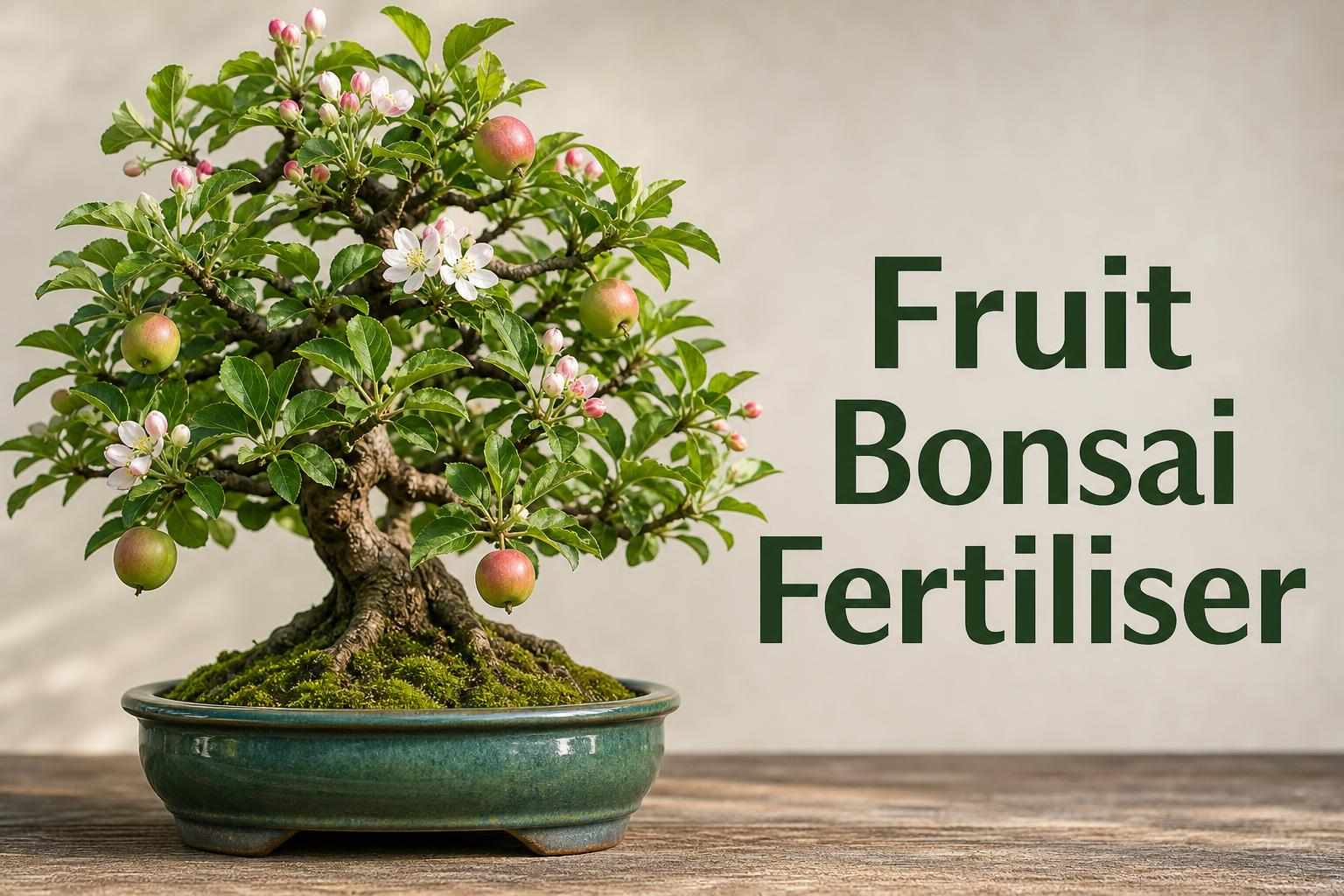
Best Fertiliser for Fruit Bonsai Trees in Pots
Choosing the Right Fertiliser for Fruit Bonsai Trees in Pots
Fruit bonsai trees grown in pots need a carefully balanced feeding plan. Their roots are confined, their soil volume is limited, and they depend entirely on the grower for nutrients. The best fertiliser for fruit bonsai is not simply the strongest product on the shelf; it is the one that supports steady growth, healthy foliage, strong flowering and reliable fruit set without forcing soft, weak shoots.
Because bonsai are intentionally kept compact, the aim is to feed enough to sustain vigour while preserving the tree’s miniature form. This is especially important for fruiting species, which use significant energy to flower and develop fruit. A well-planned fertiliser routine helps maintain leaf colour, root health and branch strength throughout the growing season.
What Makes a Good Fertiliser for Fruit Bonsai?
A suitable fertiliser for fruit bonsai should provide a balanced supply of essential nutrients, with particular attention to nitrogen, phosphorus and potassium. Each nutrient plays a different role, and the ideal ratio changes depending on whether the tree is in active growth, flowering or fruiting.
Key nutrients to look for
- Nitrogen (N): Supports leafy growth and overall vigour, but too much can reduce flowering and encourage overly long shoots.
- Phosphorus (P): Helps root development and supports flower and fruit production.
- Potassium (K): Improves flower quality, fruit development, stress tolerance and general plant strength.
- Trace elements: Magnesium, iron, manganese and other micronutrients help prevent chlorosis and maintain balanced growth.
For many fruit bonsai trees, a balanced fertiliser works well during the main growing period. As flowering approaches, some growers prefer a formulation with slightly less nitrogen and a little more potassium and phosphorus. However, the exact needs depend on the species, the health of the tree and the potting mix in use.
Best Nutrient Blends for Different Stages of Growth
Fruit bonsai do not need the same feeding profile all year. A thoughtful nutrient strategy is more effective than relying on one fertiliser dose from spring to autumn.
Spring: build strong growth
As buds swell and new leaves appear, the tree needs nutrients to support fresh growth and replacement of reserves used over winter. A balanced feed is often ideal at this stage. It encourages leaf production, helps the tree recover from seasonal stress and prepares it for flowering.
Pre-flowering: support bloom formation
Before flowering, reduce excess nitrogen if the tree is growing too vigorously. Too much leafy growth can limit flower buds. A fertiliser with a more moderate nitrogen level and good potassium availability can help shift energy towards flowering.
Fruiting period: maintain strength without overfeeding
Once fruit is set, the tree still needs nutrition, but heavy feeding can cause problems. Excess nitrogen may lead to soft shoots and reduced fruit quality. A gentler, regular feed is usually better than a strong application. The goal is to keep the tree healthy while supporting fruit development.
Late season: prepare for rest
As growth slows, feeding should also decrease. This allows the tree to harden its shoots and prepare for dormancy where applicable. In cooler months, many fruit bonsai benefit from little or no fertiliser, depending on species and local climate.
Liquid, Granular or Organic: Which Is Better?
There is no single best format for every fruit bonsai tree. The right choice depends on your watering habits, the pot size and how much control you want over nutrient release.
Liquid fertiliser
Liquid feeds are easy to dose and work quickly. They are useful for growers who prefer regular, controlled feeding and want to adjust the strength through the season. They are often a good choice for small pots, where nutrients can leach out quickly through watering.
Granular fertiliser
Slow-release or top-dressed granular fertilisers can provide more even nutrition over time. They are convenient, especially for busy growers, but it is important not to overapply them in shallow pots. In bonsai culture, moderation is always important.
Organic fertiliser
Organic options can be excellent for fruit bonsai because they tend to release nutrients more gradually and support soil biology. They are often less likely to cause sudden surges of growth. Many enthusiasts value organic feeding for its steadier effect on tree health and fruiting.
If you want to explore broader plant nutrition options, this guide may also be useful: Top fertilizer for plant nutrition – shop on line now.
How Often Should You Feed Fruit Bonsai in Pots?
Feeding frequency depends on the fertiliser type, the species and the growth rate of the tree. Because pot-grown bonsai have limited root space, nutrients are depleted more quickly than in open ground. At the same time, they are also more sensitive to overfeeding.
General feeding guidelines
- Liquid fertiliser: Often applied every 1 to 2 weeks during active growth, at a weaker dilution than full-strength garden feeding.
- Organic feed: Usually applied every 4 to 6 weeks, depending on product release rate and temperature.
- Slow-release fertiliser: Replaced or refreshed according to the manufacturer’s schedule, while monitoring the tree’s response.
Always adjust frequency based on the tree’s condition. If growth is pale, weak or slow, nutrition may need to be increased slightly. If leaves are overly lush and shoots are stretching, reduce nitrogen and feed more cautiously.
Pot-Grown Nutrition Strategies That Work
Growing fruit bonsai in pots means the root system has less access to nutrients, water and buffering capacity. Good nutrition therefore depends on more than fertiliser alone.
Use a free-draining bonsai substrate
A suitable substrate allows oxygen to reach the roots and prevents fertiliser salts from building up excessively. Dense, compact soil can hold too much moisture and reduce nutrient uptake. A well-structured mix supports healthy roots, which in turn improves the tree’s ability to use fertiliser efficiently.
Water correctly before feeding
Never fertilise a completely dry root ball. Water the tree first if needed, then apply fertiliser according to the product instructions. This helps prevent root scorch and ensures nutrients are distributed more evenly through the pot.
Monitor runoff and salt build-up
In small pots, repeated feeding can leave mineral residues in the substrate. Periodic flushing with clean water helps reduce salt accumulation. This is especially useful if you use liquid or synthetic feeds regularly.
Adapt to fruit load
A heavily fruiting bonsai may need slightly more support than one that is only flowering. However, do not compensate for fruit load by applying strong fertiliser all at once. A steady, balanced approach is safer and more effective.
Signs Your Fertiliser Routine Is Working
Healthy fruit bonsai usually show steady growth, firm leaves and balanced shoot extension. Flowering and fruiting should occur without the tree looking exhausted or excessively coarse.
Positive signs
- Leaves are rich in colour and appropriately sized.
- New growth is steady, not weak or excessively long.
- Flower buds form well in the correct season.
- Fruit develops without severe leaf drop or branch stress.
- The tree recovers well after pruning and repotting.
Warning signs
- Very dark, floppy foliage and rapid shoot extension.
- Poor flowering despite strong leafy growth.
- Yellowing leaves that suggest nutrient imbalance or poor uptake.
- White crust on the soil surface, indicating salt build-up.
- Root stress after overfeeding or incorrect watering.
Common Mistakes to Avoid
Even the best fertiliser for fruit bonsai will not perform well if the feeding routine is unbalanced. A few common errors can undermine growth and fruiting.
- Overfeeding with nitrogen: This can produce lush leaves at the expense of flowers and fruit.
- Feeding too infrequently: Small pots exhaust nutrients quickly, so long gaps can leave the tree undernourished.
- Applying fertiliser to a dry substrate: This can damage roots.
- Ignoring seasonal needs: Trees require different nutrient support at different times of year.
- Using the same routine for every species: Citrus, apple, pomegranate and other fruiting bonsai may not respond identically.
Seasonal Feeding Tips for Reliable Fruiting
For most fruit bonsai, feeding should follow the rhythm of the tree’s growth cycle. This helps the plant use nutrients efficiently and reduces the risk of imbalanced growth.
Early season
Begin feeding when the tree starts active growth. This supports the flush of leaves and branches needed to build energy reserves.
Mid-season
Keep feeding consistent during the main growing period. If flowers are developing, avoid excessive nitrogen and watch the tree closely for signs of imbalance.
After fruit set
Continue with a moderate feed to support fruit development and maintain leaf function. Do not chase bigger fruit at the expense of tree health.
End of season
Reduce feeding as growth slows. A well-timed taper helps the tree mature its wood and enter its resting phase in good condition.
Choosing the Best Fertiliser for Your Tree
The best fertiliser for fruit bonsai depends on your species, your climate and your growing method. For many growers, a balanced fertiliser used regularly and adjusted through the season provides the best results. Organic options can be excellent for steady nutrition, while liquid feeds offer control and flexibility.
Whatever product you choose, the most important factors are consistency, moderation and observation. Fruit bonsai in pots respond best to careful feeding that supports both beauty and productivity. If you also grow other indoor plants, you may find practical tips in this related article: Indoor Plants: simple tricks for stunning results.
Final Advice
When selecting a fertiliser for fruit bonsai, think beyond a simple label and focus on the tree’s needs across the seasons. The right nutrient blend will help your bonsai stay compact, healthy and productive. Feed regularly, avoid excess nitrogen, use a free-draining substrate and adjust the schedule as flowers and fruit develop. With a careful approach, pot-grown fruit bonsai can thrive and reward you with attractive growth and genuine seasonal interest.


Recent Comments