
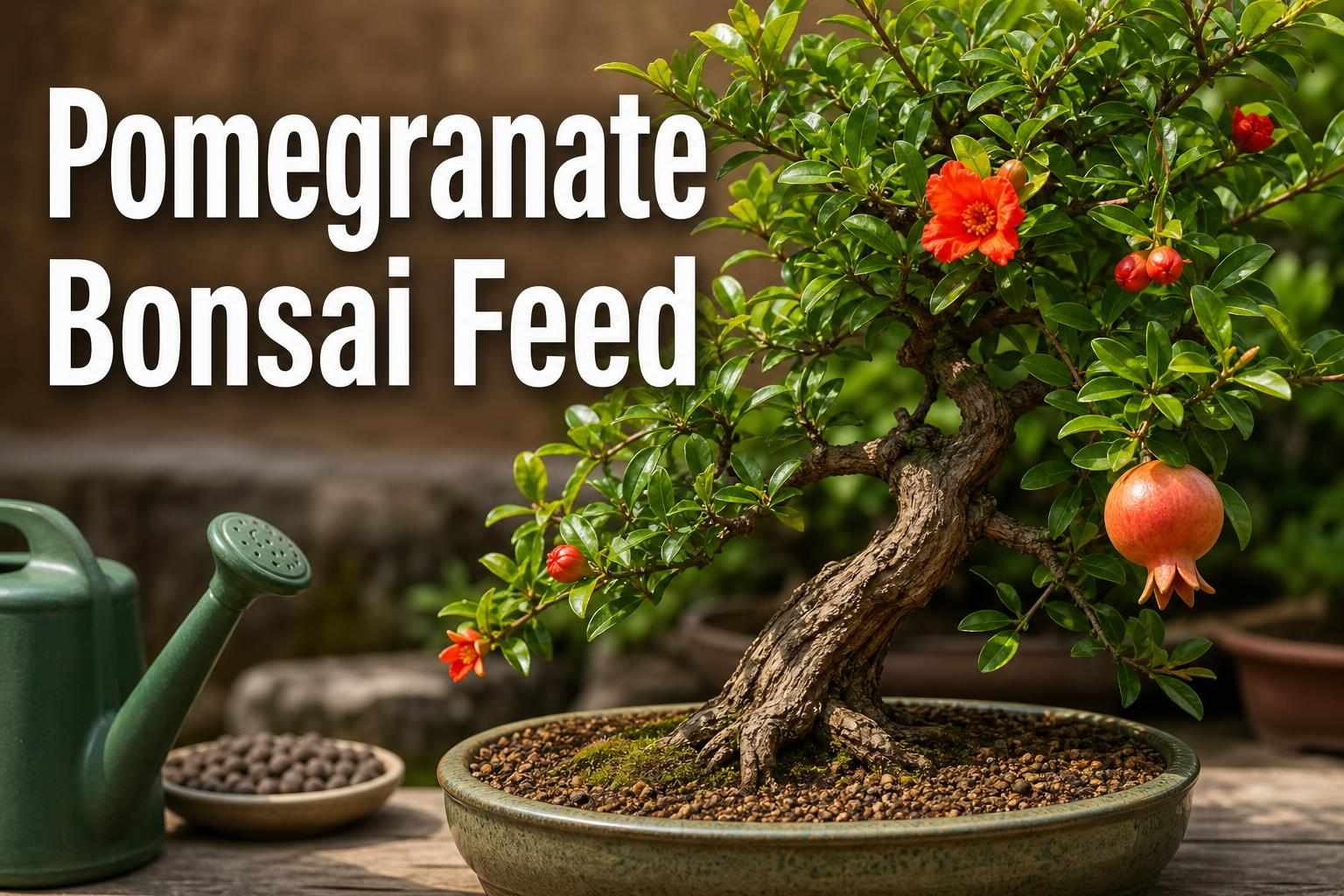
Pomegranate Bonsai Fertiliser Guide: How to Feed for Flowers, Fruit and Strong Seasonal Growth
Why pomegranate bonsai fertiliser matters
Pomegranate bonsai can be generous, colourful and highly rewarding, but only when feeding is matched to the tree’s growth cycle. The right pomegranate bonsai fertiliser supports compact shoots, healthy roots, flower bud development and, when conditions are right, fruiting. The wrong approach can push soft leafy growth, reduce flowers or leave the tree underpowered after a heavy season.
Because pomegranates are vigorous by nature, they often respond well to regular feeding during active growth. However, bonsai culture changes the equation: the pot is small, nutrients wash out faster and overfeeding can quickly disturb balance. The goal is steady support, not excess.
If you want a broader seasonal framework for feeding other trees as well, see the Bonsai Fertilising Calendar: A Month-by-Month Feeding Plan for Year-Round Care.
What a pomegranate bonsai needs from fertiliser
Pomegranate bonsai generally benefit from a fertiliser that supports both structure and reproductive growth. In practice, that means balanced nutrition during most of the season, with careful adjustments as the tree shifts from shoot extension to flowering and fruiting.
Key nutrients to prioritise
- Nitrogen (N): supports leaf and shoot growth, especially in spring.
- Phosphorus (P): helps energy transfer and supports flower and root development.
- Potassium (K): important for overall vigour, stress tolerance and fruit quality.
- Micronutrients: iron, magnesium, manganese and others help prevent pale foliage and weak performance.
A balanced formula is usually the safest starting point. As the tree matures and approaches flowering, you can avoid excessively high nitrogen levels, which may produce lush growth at the expense of buds and flowers.
Choosing the right fertiliser type
There is no single best product for every tree, but the most suitable pomegranate bonsai fertiliser is usually one that is gentle, reliable and easy to dose accurately in a small container.
Organic fertilisers
Organic options, such as pellets, cakes or liquid feeds made from natural ingredients, are often preferred for bonsai because they release nutrients more gradually. This helps reduce the risk of sudden surges in growth and makes feeding easier to manage over time.
- Good for steady seasonal feeding
- Less likely to cause fertiliser burn when used correctly
- Can support soil biology and root function
Mineral fertilisers
Mineral or synthetic fertilisers can be useful when you need precise control or when a tree is recovering from stress. They work quickly, but they also require more careful dilution and timing.
- Useful for correcting deficiencies
- Helpful if growth has stalled
- Must be applied carefully to avoid overfeeding
If you are comparing products for other trees too, this article may help: Best Fertiliser for Bonsai Trees: How to Feed for Compact Growth.
Feeding schedule across the seasons
Pomegranate bonsai feeding should follow the tree’s rhythm. The amount and frequency depend on temperature, growth stage, pot size and whether you are aiming mainly for foliage, flowers or fruit.
Spring: rebuild strength and support new growth
As buds swell and new shoots begin, this is the best time to restart feeding. Early spring growth uses stored energy quickly, so the tree benefits from a consistent nutrient supply.
- Begin with a balanced feed once active growth is clear
- Feed at moderate strength rather than heavy dosage
- Increase frequency only if the tree is growing strongly and the compost drains well
Early summer: maintain vigour without pushing too hard
During early summer, the tree may be extending shoots and preparing flower buds. Keep feeding regular, but avoid excess nitrogen if flowering is the priority.
- Use a balanced fertiliser or one slightly lower in nitrogen
- Keep watering consistent so nutrients are taken up evenly
- Monitor leaf size and internode length, as overly lush growth may signal overfeeding
Midsummer: support flowers and fruit set
When flowers open, the aim is to maintain energy without driving uncontrolled vegetative growth. A pomegranate bonsai with good light, warmth and stable moisture can benefit from gentler feeding through this period.
- Continue feeding, but do not overdo nitrogen
- Use smaller doses more regularly if the tree is in active production
- Reduce feeding slightly if growth is too soft or if fruit set is weak
Late summer to early autumn: finish the season well
After fruit set or after the main flowering period, the tree still needs support to recover and mature its tissue. Potassium becomes particularly useful at this stage.
- Continue a moderate feeding programme while the tree is still active
- Avoid forcing late, soft growth too close to cooler weather
- Allow the tree to prepare gradually for dormancy
Late autumn and winter: reduce or stop feeding
Once growth slows and the tree is dormant or near-dormant, feeding should be greatly reduced or stopped. Feeding a resting tree can create imbalances and unnecessary salt build-up in the pot.
- Stop feeding when growth has clearly slowed
- Only resume when new spring growth begins
- Use the dormant period to assess soil condition and root health
For a fruit-focused approach across different species, you may also find Best Fertiliser for Fruit Bonsai Trees in Pots useful.
How to balance feeding for flowers and fruit
Flowering and fruiting are energy-intensive. A pomegranate bonsai that is fed too heavily with nitrogen may produce plenty of leaves but fewer flowers. On the other hand, a tree that is underfed may lack the reserves needed to carry flowers and hold fruit.
Practical nutrient balance tips
- Use balanced feeding during the main growth period
- Avoid repeated high-nitrogen applications once flower buds are forming
- Support the tree with enough potassium and overall nutrition for stress resistance
- Keep light, water and pruning in sync with feeding
Remember that fruiting also depends on excellent light, correct pruning and appropriate watering. Feeding alone cannot compensate for weak cultural conditions.
For the broader care picture, see Pomegranate Tree Bonsai: Light, Watering, Pruning and Feeding Tips.
Signs your pomegranate bonsai is being fed well
A well-fed tree should look compact but lively, with strong shoots, healthy leaf colour and good recovery after pruning. It should not look coarse, overly soft or excessively dark green.
Positive signs
- Even, healthy leaf colour
- Moderate, controlled shoot extension
- Strong recovery after pruning or repotting
- Reliable flowering in season
Warning signs of overfeeding
- Very long internodes
- Large, soft leaves
- Weak flowering despite strong foliage
- Salt crust on the soil surface or pot rim
Warning signs of underfeeding
- Pale foliage
- Slow or weak shoot growth
- Early leaf ageing
- Poor flowering and limited fruit development
How pot size, watering and soil affect feeding
Fertiliser never works in isolation. In a shallow bonsai pot, the soil volume is small, so nutrients are used up more quickly and can also be leached away with frequent watering. This makes consistency important.
- Smaller pots usually need more attentive feeding than larger containers
- Frequent watering can wash nutrients through the soil faster
- Free-draining bonsai soil improves root health but requires regular replenishment of nutrients
If your tree grows alongside other houseplants or you are comparing feeding patterns by container size, this guide may help: Houseplant Fertiliser Guide: How to Match Feeding to Light, Pot Size and Growth Rate.
Using bio-activators alongside fertiliser
Some growers like to combine regular feeding with soil-support products that encourage stronger root activity. These do not replace fertiliser, but they can help create a better environment for nutrient uptake and overall vitality.
For a deeper look at this approach, read Bio-activators for Bonsai Soil Vitality: How They Support Root Health and Growth.
Common fertilising mistakes to avoid
Even a vigorous pomegranate bonsai can be set back by poor feeding habits. Avoid these common mistakes if you want flowers, fruit and balanced growth.
- Feeding too heavily in spring: can create long, weak shoots.
- Using high nitrogen throughout the season: often reduces flowering.
- Skipping feeding during active growth: may leave the tree underpowered.
- Feeding a dormant tree: wastes nutrients and may stress the roots.
- Ignoring watering and drainage: fertiliser is only effective when the roots can absorb it properly.
Simple feeding plan for pomegranate bonsai
If you want a straightforward routine, this is a practical starting point:
- Begin feeding in spring once active growth is visible.
- Use a balanced fertiliser at a moderate rate through early growth.
- Reduce nitrogen as buds and flowers develop.
- Continue gentle feeding through fruit set and summer recovery.
- Stop or greatly reduce feeding in late autumn and winter.
Adjust the plan according to your climate, tree vigour and container size. A young, fast-growing tree may need more support than an older, refined specimen that is being maintained for shape and flowering.
Final thoughts
The best pomegranate bonsai fertiliser is one that supports steady growth without forcing the tree out of balance. Feed generously enough to maintain health, but carefully enough to preserve compact structure and encourage flowering. When fertiliser is combined with good light, sensible watering and seasonal timing, pomegranate bonsai can produce strong growth, vibrant blooms and, in the right conditions, attractive fruit as well.
For fruiting bonsai in general, you may also find Fruit Bonsai Trees in Pots: How to Balance Water, Light and Feeding for Reliable Yields useful for broader care planning.


Recent Comments